Rats Along Canals and Irrigation Ditches in the Treasure Valley
What officials have said about canals
On September 2, 2026, the Ada County Board of Commissioners hosted a city-and-county meeting on rat mitigation. The published agenda included city reports, an irrigation-district slot, Ada County Weed, Pest and Mosquito Abatement, the Idaho State Department of Agriculture, and Central District Health.
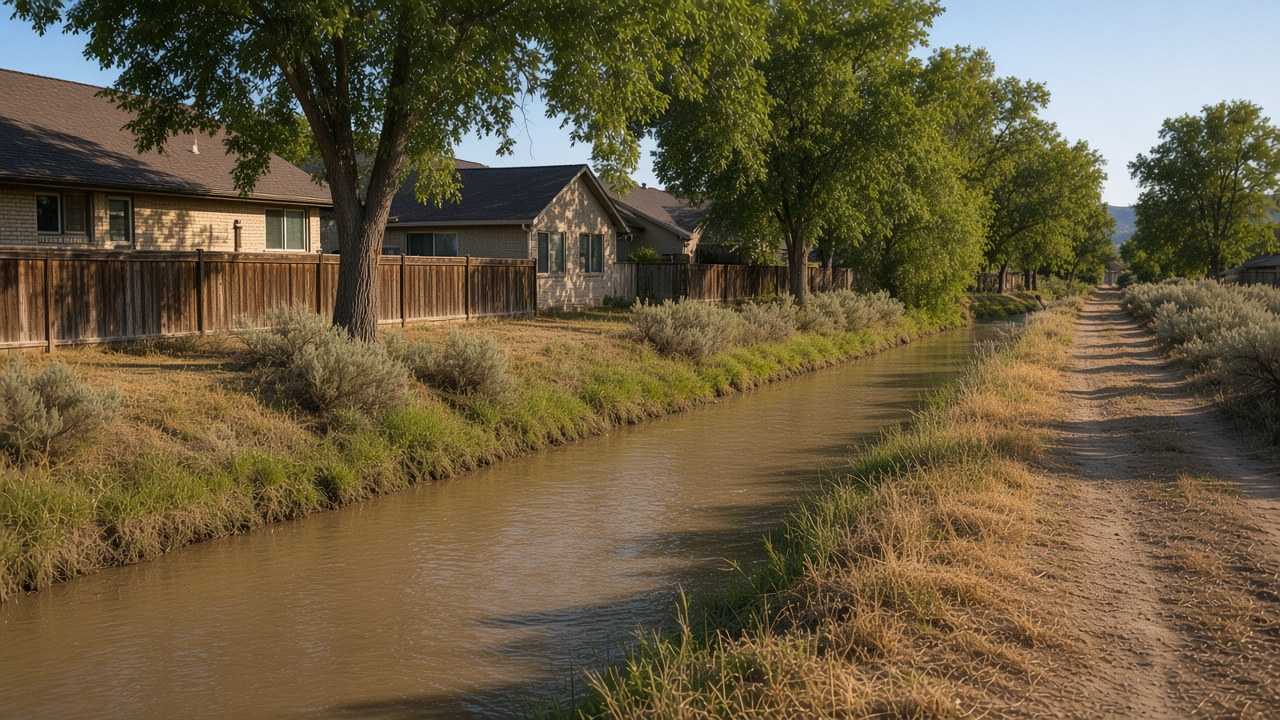
Coverage of that meeting is consistent on one point: canals and drainage ditches were described as convenient travel routes. In a September 3, 2026 BoiseDev report, State Rep. John Gannon, D-Boise, said areas in the city with proximity to canals were experiencing some of the biggest rat issues: “That seems to be the rat highway, where rats move from home to home and down the canal.” Idaho News quoted Ada County Weed, Pest and Mosquito Director Adam Schroeder saying, “What we hear from our constituents is that those folks particularly who border irrigation canals are really experiencing a lot of the rat issues.”
Those comments describe a pattern officials were hearing. They are not a count of rats on any one ditch, and they do not mean every canal-side lot has a problem. For species identification and control methods, use the rat control in Boise guide.
Why irrigation canals come up in Treasure Valley rat reports
- Canal and vegetated banks can serve as a travel corridor between properties
- Burrows and hiding places in bank vegetation, under fences or in debris
- Outdoor food at the fence line: pet food, birdseed, fallen fruit or unsecured waste
- Gaps under fences, decks and crawlspaces connect the bank to the house
- Reducing food, water and shelter along the bank is the step a household can control
Officials at a September 2, 2026 Ada County meeting described canals as travel routes, not as the only source of rats. A property’s own food and shelter still matter.
What a canal-side household can actually change
Central District Health tells residents to reduce water and shelter around irrigation areas, canals, crawlspaces, decks, sheds and fence lines: fix leaks, remove standing water, and clear debris where rats can hide or burrow. The same page lists common attractants — birdseed, chicken feed, pet food, garbage, compost, fallen fruit and unharvested produce — that matter as much at a fence line as they do at a front-yard feeder.
- Keep pet food, seed and fallen fruit off the ground along the bank and fence.
- Keep trash and compost closed, including on the alley or easement side of the lot if that is where carts sit.
- Clear dense vegetation, wood and debris at the fence, and seal gaps under fences, decks and crawlspace vents.
- Coordinate with neighbors when you can. CDH notes that prevention works best when nearby properties reduce food, shelter and entry points at the same time.
Inside Boise city limits, sanitation and harborage rules still apply to the premises; see the Boise rat ordinance guide. To log what you saw, use the reporting page.
Where pressure tends to show up in the Treasure Valley
River-corridor and irrigation-adjacent lots: check fence lines and outdoor storage, not a neighborhood ranking.
Mid-century lots and laterals: inspect bank vegetation, carts and garage seals.
Older fence lines and alleys near laterals: look for debris, gaps and unsecured waste.
Drainage swales and downhill yards: check where water and cover collect at the property edge.
General patterns based on housing age, irrigation, and surrounding land use, not measured infestation rates.
A canal nearby is not, by itself, proof of an infestation. Confirm signs with the rat control guide, report sightings through the reporting page, and review Boise trash and compost rules if you are inside the city.
How to inspect a canal-side yard
- 1Inspect
Walk the bank, fence line, decks and crawlspace edge for burrows, droppings, runways, standing water and outdoor food.
- 2Identify
Decide whether the signs point to rats, mice or another animal, and whether activity is on the bank, in the yard or already in the house.
- 3Treat
Remove attractants and debris you can reach, seal gaps into the structure, and use traps or a licensed provider if the house or garage is involved.
- 4Prevent
Keep the fence line clean, carts closed and neighbors informed, and report sightings so local officials have a clearer picture.
Sources
- Ada County Board of Commissioners, September 2, 2026, County-City Rat Mitigation Discussion agenda
- BoiseDev, September 3, 2026, reporting on the meeting, including Rep. John Gannon’s “rat highway” comment
- Idaho News, September 2, 2026, quoting Adam Schroeder on canal-side reports
- Central District Health, Rats and Rodent Prevention in Ada County
Frequently asked questions
Do irrigation canals cause rat infestations in Boise?+
A canal or ditch next to a yard is not, by itself, proof that a property has rats. Officials at a September 2, 2026 Ada County meeting did describe canals and vegetated banks as travel routes. Central District Health also tells residents to reduce water and shelter around irrigation areas and canals. The household steps that still matter are food, shelter and entry points on the property.
What did officials say about canals in 2026?+
At the September 2, 2026 Ada County city-and-county rat meeting, State Rep. John Gannon said areas near canals were among those seeing some of the biggest issues and described the canal as a “rat highway” where rats move from home to home. Ada County Weed, Pest and Mosquito Director Adam Schroeder said constituents who border irrigation canals report many of the rat issues. Those are statements from that meeting, not a census of every ditch in the valley.
What should I look for along a canal bank?+
Look for burrows in bank vegetation, under fences, decks or debris; runways along the fence line; droppings; gnawing; and outdoor food such as pet food, birdseed, fallen fruit or unsecured trash. Central District Health lists irrigation areas, canals, crawlspaces, decks, sheds and fence lines among the places to check for leaks and hiding places.
If rats are coming from the ditch, who is responsible?+
Irrigation corridors cross many jurisdictions, and this page does not assign legal duty to a district, a city or a neighbor. Inside Boise, the city’s rat ordinance still applies to attractants and harborage on the premises. Talk with a neighbor if activity seems tied to unsecured food or debris next door, and use the reporting guide to log what you saw.
How do I reduce rat pressure along a ditch behind my fence?+
Pick up pet food, spilled seed and fallen fruit; keep carts closed; clear debris and dense vegetation along the fence; fix leaks and standing water; and seal gaps under fences, decks and crawlspace vents. Prevention works better when neighboring yards do the same things. Reporting and, if needed, professional control are covered in the linked guides.
Licensing in Idaho: how to verify a provider
In Idaho, professional pesticide applicators are licensed by the Idaho State Department of Agriculture (ISDA). To get licensed, they pass an exam for each category of work they do and show proof of financial responsibility. Since ISDA's 2024 rule update, home and building pest work for insects, spiders and wood-destroying pests such as termites falls under the Industrial, Institutional, and Structural Pest Control – Non-Commodity (IP) category. Rodent work may also involve General Vertebrate Control (GV). (ISDA license categories)
Before you hire anyone, ask for the applicator's name and license number. Check that the license is current, and that it covers the right category, with ISDA's Certified Applicator License Search, or call ISDA pesticide licensing at (208) 332-8600. Also ask what products they plan to use, and ask for the label or safety data sheet if you have kids, pets, or a well.