Signs of a Pest Infestation in Your Boise Home
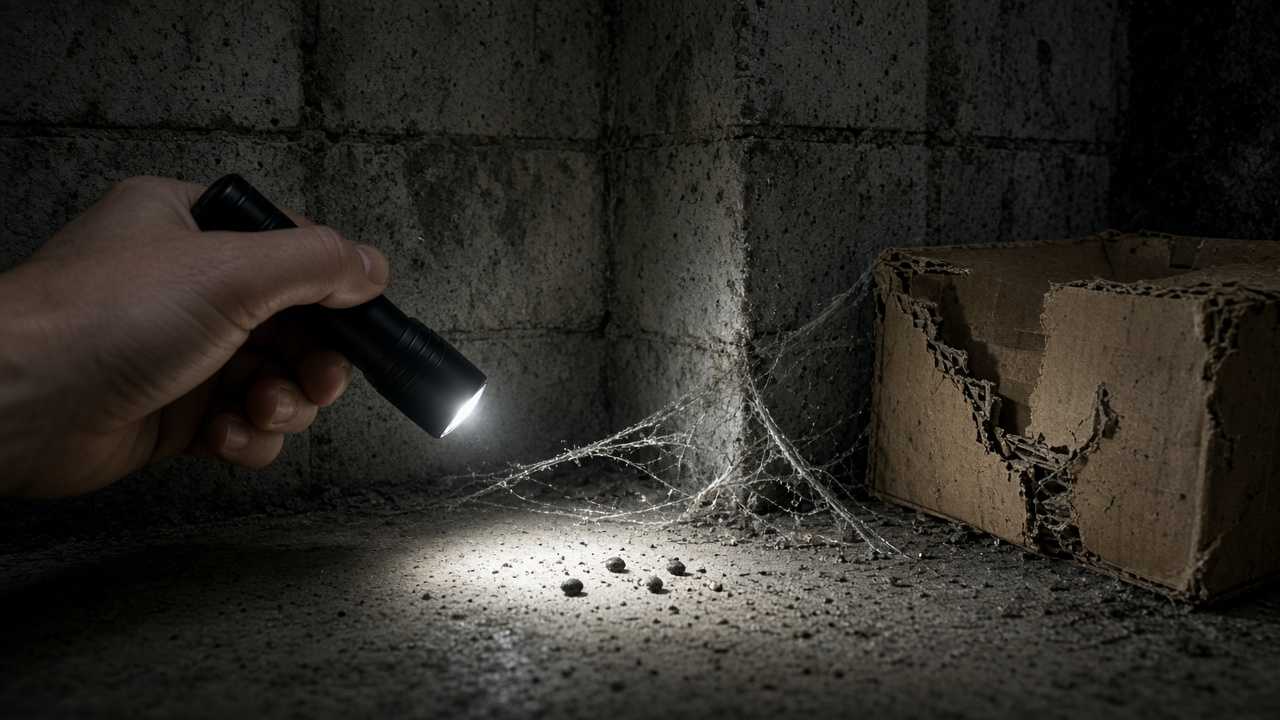
Pest problems in Boise are not random — they follow predictable patterns shaped by the Treasure Valley’s climate, irrigation, housing styles, and landscaping.
Hot, dry summers, cold winters, and heavily watered neighborhoods create ideal conditions for certain pests to thrive. At the same time, older Bench homes, greenbelt areas, and suburban subdivisions each produce different kinds of pressure.
Understanding which pests are most common in Boise — and why they show up — helps homeowners act early instead of reacting late.
Below is a practical guide to the pest issues Boise homeowners encounter most often.
Signs You Have an Ant Problem in Boise
Ant trails are worth investigating in Boise kitchens and irrigated yards; this guide does not have verified data ranking household pest complaints.
Spring and early summer usually bring the worst outbreaks as colonies expand in moist soil and search for indoor food sources. Lawns, garden beds, and drip lines often act like highways leading straight to foundations.
Boise homeowners most commonly notice ants in:
- Kitchens (near sinks and pantries)
- Bathrooms
- Along baseboards
- Near sliding doors and windows
A few ants are normal. Consistent trails are not — they usually signal a well-established colony nearby. For more detail, see our guide to ant control in Boise.
Signs You Have a Rodent Problem in Boise
Mice are Boise’s most persistent winter pest. As temperatures cool, rodents move indoors seeking warmth, food, and shelter. Homes near open fields, irrigation canals, greenbelts, or older neighborhoods tend to experience higher pressure.
Common warning signs include:
- Droppings in cabinets, drawers, or garages
- Scratching sounds in walls or ceilings at night
- Chewed wires, cardboard, or insulation
- Grease marks along baseboards
- Torn pet food bags
Traps alone rarely solve the problem. Real control requires removing active rodents, identifying entry points, and sealing vulnerable areas. For more detail, see our guide to rodent control in Boise.
Signs You Have a Spider Problem in Boise
Spiders are extremely common in Boise homes — especially during fall and winter when temperatures drop. Garages, basements, crawlspaces, window wells, and dark storage areas are prime habitat.
Most spiders in Boise are not dangerous, but their presence usually signals another insect problem that is feeding them. Warning signs include:
- Webs in corners, window frames, and along ceilings
- Egg sacs in undisturbed areas like closets and garages
- Frequent sightings of spiders indoors after dark
Long-term reduction depends on lowering overall insect activity, reducing clutter, and sealing obvious gaps. For more detail, see our guide to reducing spider activity indoors. For a suspected widow, review identifying a black widow without handling the spider.
Signs You Have a Wasp Problem in Boise
Wasps start nests in spring, and colonies grow through summer, with yellowjackets often most conspicuous in late summer. Boise’s outdoor lifestyle — patios, gardens, sheds, and play areas — increases the chance of encounters.
Common warning signs include:
- Visible nest construction under eaves, in sheds, or inside fence posts
- Increased wasp activity around trash or compost areas
- Repeated stinging incidents near a specific area of your yard
These insects become aggressive if their nest is disturbed. Nests near doors, play areas, or high-traffic areas are best handled by a professional immediately. Our guide to assessing a wasp or yellowjacket nest explains the inspection and treatment options.
Signs You Have a Cockroach Problem in Boise
Unlike most Boise pests, cockroaches aren’t seasonal — a sighting in January is just as significant as one in July. Identify the species from a specimen: warm kitchens, damp basements and plumbing areas offer different inspection clues, not proof that Boise has only two cockroach species.
Common warning signs include:
- Live roaches spotted during the day (a bigger red flag than nighttime sightings, since German roaches are nocturnal — daytime activity usually means overcrowded hiding spots)
- A musty, oily odor near cabinets or appliances
- Small, dark droppings resembling coffee grounds or black pepper
- Egg cases (oothecae) in cracks, behind appliances, or under sinks
- Grease-like smear marks along baseboards or cabinet edges
A single roach seen occasionally isn’t necessarily an infestation — but consistent sightings, especially during the day, usually mean the population is already established. For more detail, see our guide to cockroach droppings and egg cases.
When to Call a Pest Professional in Boise
Some pest situations in Boise can be managed with DIY treatment. Others cannot — and attempting DIY makes them worse.
Call a professional immediately if you notice:
- Rodent droppings anywhere in your home — infestations grow fast
- Mud tubes along your foundation, which indicate termite activity.
- A wasp or yellowjacket nest near an entry point or play area
- Bed bug signs (rust-colored stains, shed skins, bites in a line)
- Spider activity combined with a bite that causes swelling or pain
- Daytime cockroach sightings — this usually means the hiding spots are already full
For recurring ant problems, professional treatment is also worth the cost — colonies reestablish quickly if the source isn’t addressed. When the pest is identified, use our guide to comparing pest-control quotes to check the scope and follow-up terms.
If you’re unsure what you’re dealing with, see our full guide to signs of pest infestation or contact a licensed Idaho pest control provider.
What This Means for Boise Homeowners
Most pest problems in Boise are preventable — not inevitable.
The most effective approach usually combines:
- Reducing attractants (food, moisture, clutter)
- Limiting access points
- Understanding seasonal risks
- Using targeted professional help when needed
If you’re dealing with recurring issues, the problem is rarely just the pest — it’s the conditions that invited it.
For a broader overview of how professionals protect homes across the Treasure Valley, visit our main Boise Pest Control page.
Once you know what you are looking at, go deeper: mud tubes and termite swarmers, a dedicated termite inspection guide for home-sale and WDI reports, boxelder bugs clustering on sunny walls, scratching sounds inside walls, rodent signs up in the attic, bites and spotting on bedding, or sawdust-like frass near wood. Housing context differs across Boise's North End, Central Bench, Highlands and Harris Ranch.
What makes pest warning signs different in the Treasure Valley
Knowing the season helps you read the signs. In spring, look for ant trails near sprinklers and termite swarmers on warm days. In summer, watch eaves, playsets and lawn holes for wasp traffic. In fall, the first cold nights bring droppings in garages and scratching in walls as mice move indoors, plus spiders wandering into basements.
Where you look depends on your home. Older Bench and North End houses hide many early signs in the crawlspace, so check it with a flashlight a couple of times a year. In newer subdivisions, check the garage, window wells and the base of the slab where landscaping meets the foundation.
Homes near canals, the river or open fields should also watch for burrows and runways in the yard, which can come before indoor activity.
Not every seasonal visitor means a structural infestation. University of Idaho calls boxelder bugs a common Idaho nuisance; earwigs also use damp, sheltered garden spaces. In a watered West Boise bed or around Southeast Boise patio pots, identify the insect before assuming that a few visitors require whole-house treatment.
Along the Boise River corridor in Garden City and Eagle, separate outdoor observations from indoor evidence: a yard hole, an attic noise and droppings in a pantry may have different causes. Central District Health’s local checklist emphasizes droppings, gnawing, burrows and food sources. Record where and when you found signs, and never dry-sweep rodent waste to tidy up before an inspection.
Frequently asked questions
What are the most common signs of mice in a Boise home?+
Look for droppings along baseboards and in cabinets, gnaw marks on wood or food packaging, scratching sounds in walls at night, and nesting material made from shredded paper or insulation. Boise homes near open fields and the foothills are especially vulnerable in fall and winter.
How can I tell if I have termites vs. carpenter ants in Boise?+
Subterranean termites can leave mud tubes and soil-lined galleries. Carpenter ants excavate cleaner galleries and may push out coarse wood debris. Look for these distinct signs in accessible woodwork rather than treating all sawdust as termite evidence. Both cause structural damage — if you’re unsure, a professional inspection is the only reliable way to confirm which you’re dealing with.
When should I call a pest professional in Boise vs. DIY?+
DIY treatment works for minor ant trails and occasional spiders. Call a professional for anything involving rodents, termites, bed bugs, or wasp nests — these require treatment methods and equipment that over-the-counter products can’t replicate, and delays usually make infestations worse.
Are boxelder bugs on my Boise house a sign of wood damage?+
University of Idaho describes boxelder bugs as a common nuisance pest. Their presence alone does not diagnose termite or carpenter-ant damage. Photograph the insect and check for separate evidence such as mud tubes or wood debris before choosing treatment. Our boxelder bug control guide covers identification, fall clustering and exclusion.
What signs should I record near a canal or the Greenbelt?+
Record fresh droppings, gnawing, burrows and damaged feed containers, noting their location and date. A yard hole alone does not distinguish rats, voles or another animal. Central District Health advises removing food and shelter and sealing entry points; never dry-sweep rodent waste.
Licensing in Idaho: how to verify a provider
In Idaho, professional pesticide applicators are licensed by the Idaho State Department of Agriculture (ISDA). To get licensed, they pass an exam for each category of work they do and show proof of financial responsibility. Since ISDA's 2024 rule update, home and building pest work for insects, spiders and wood-destroying pests such as termites falls under the Industrial, Institutional, and Structural Pest Control – Non-Commodity (IP) category. Rodent work may also involve General Vertebrate Control (GV). (ISDA license categories)
Before you hire anyone, ask for the applicator's name and license number. Check that the license is current, and that it covers the right category, with ISDA's Certified Applicator License Search, or call ISDA pesticide licensing at (208) 332-8600. Also ask what products they plan to use, and ask for the label or safety data sheet if you have kids, pets, or a well.