Mice Control in Boise, ID: House Mice & Deer Mice
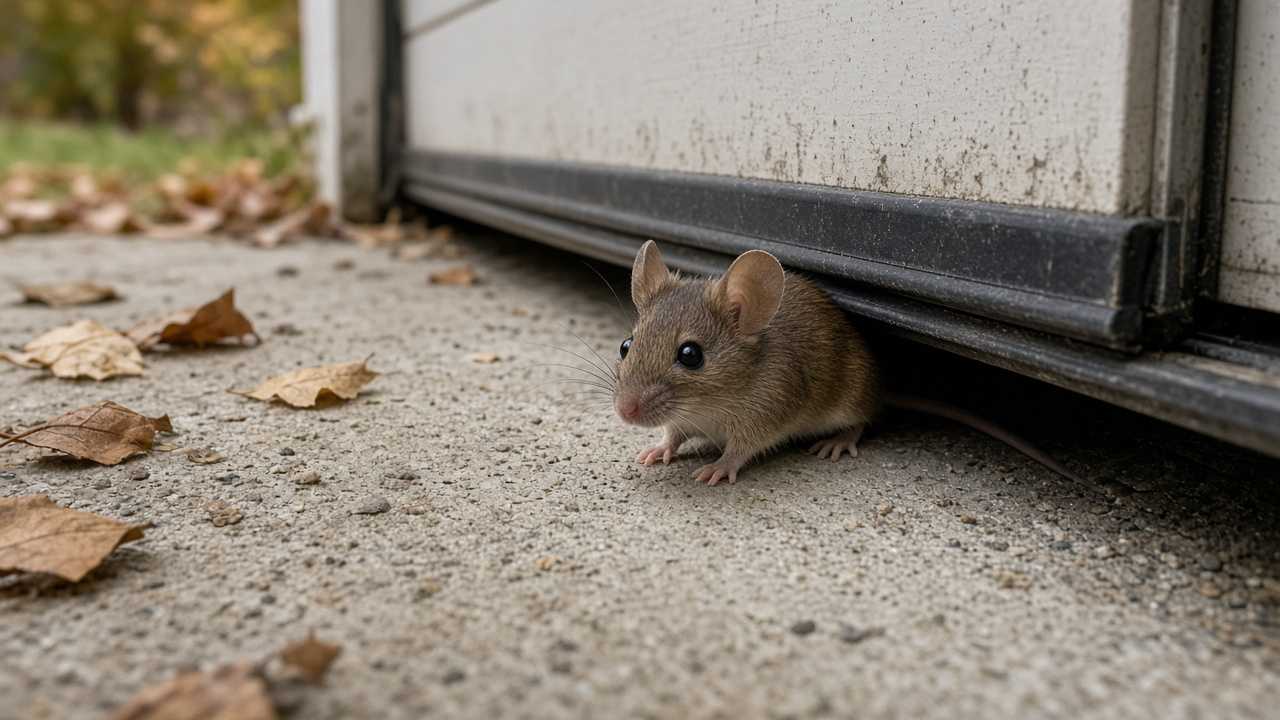
Pest ID: House mice and deer mice (Mus musculus and Peromyscus maniculatus)
Danger level: ModerateHow to recognize it
- House mouse: small and slender, dusty brown or gray, large ears, long tail that is not sharply two-toned
- Deer mouse: brown above and white below, with a white underside on the tail as well as the belly
- Droppings: about the size of a grain of rice and pointed, much smaller than rat droppings
- Musky odor, gnawed packaging, and scratching in walls or ceilings at night
Where it shows up
- Garages, especially at door seals and near stored seed or pet food
- Kitchens: behind appliances, under sinks and in pantries
- Wall voids, attics and crawlspaces
- Foothills-edge sheds, cabins, outbuildings and closed-up storage
Common look-alikes
- Young rat vs. adult mouse
- A young rat has a large head and feet for its body. Mice have a small head, large ears and small feet, and rice-sized droppings.
- Vole
- Voles are stocky with short tails and live in lawns. They rarely come indoors.
- Deer mouse vs. house mouse in a photo
- Look at the belly and tail. A sharply white underside and a two-toned tail point to a deer mouse.
Why the danger rating: The CDC identifies the deer mouse as the primary carrier of Sin Nombre virus, the main cause of hantavirus pulmonary syndrome in the United States. House mice still contaminate food and chew wiring. Never dry-sweep or vacuum droppings from either species.
House mice vs. deer mice
Most indoor mouse jobs in Boise are house mice. They live comfortably in garages, wall voids and attics, slip through very small openings, and become obvious in fall and early winter when garage seals and stored feed give them an easy route. That seasonal garage pattern is still real. It is not the same problem as the Ada County Norway and roof rat reports of recent years, which belong on the rat page and the rodent hub.
Deer mice are a different species with a different health footnote. They are typically brown above and white below, including a two-toned tail, and they are more common around open land: foothills edges, rural parcels, and outbuildings or cabins that sit empty. According to the CDC, deer mice are the primary carrier of Sin Nombre virus, the main cause of hantavirus pulmonary syndrome in the United States. Idaho Health and Welfare, in its May 2026 rat article, also notes that Norway and roof rats do not carry the Sin Nombre strain that causes lung disease in Idaho — that risk is tied to deer mice, not to those rats.
Hantavirus-safe cleanup
Do not sweep or vacuum droppings, urine or nesting material. The CDC cleanup guidance is to wear rubber or plastic gloves, spray the material until very wet with a household disinfectant or a fresh bleach solution of 1.5 cups of household bleach per gallon of water (or 1 part bleach to 9 parts water), let it soak for five minutes, wipe it up with paper towels, put the towels in a covered can, then disinfect the area and wash your hands after removing gloves. For a closed shed, cabin or similar outbuilding, open doors and windows and leave the space for 30 minutes before you clean. Heavy infestations need extra precautions, including respiratory protection described on the CDC page. If attic insulation is contaminated, see rodent attic cleanup.
Where mice get into Boise-area homes
- Garage door gaps at the corners and along the bottom seal
- Gaps where plumbing, electrical, gas or HVAC lines enter
- Foundation gaps and cracks
- Roofline, soffits and damaged attic vents
- Worn door seals and missing door sweeps
- Crawlspace vents with damaged or missing screens
Once inside, mice often nest in walls, insulation or cluttered storage. Sealing these points is the exclusion step a provider inspects.
Foothills homes, garages and outbuildings
Deer mouse risk is about habitat and closed-up buildings, not a claim that every Highlands lot has hantavirus. The practical step is to treat droppings in sheds, cabins, seasonal rooms and foothills-edge garages as a wet-cleaning job, and to seal those buildings the same way you would a house in town. House mice still deserve a garage-seal check before winter on the Bench, in the North End and in newer subdivisions alike.
Where pressure tends to show up in the Treasure Valley
Foothills-edge sheds, garages and storage next to open ground: inspect for deer mice as well as house mice, and clean up wet, never dry.
Older wall voids, crawlspaces and garage seals are common house-mouse inspection points.
Mid-century garages and stored feed: check door seals before cold weather.
Garage seals and outdoor storage on river-corridor lots after temperatures drop.
General patterns based on housing age, irrigation, and surrounding land use, not measured infestation rates.
Mouse seasonal calendar
Winter
Peak
House mice are already indoors in walls, attics and garages if seals failed in fall.
Spring
Low
A good time to finish exclusion and to check outbuildings before they close up again.
Summer
Low
Mostly lower indoor pressure; seal gaps and store feed now.
Fall
Peak
Peak movement of house mice into garages and wall voids as nights cool.
Trapping and exclusion
Snap traps along walls still work for house mice when you use several traps close together, not one trap in the middle of a room. Exclusion is what keeps the next mice out: garage door seals, door sweeps, and hardware cloth or metal at gaps around pipes, vents and the foundation. If the noise is inside walls, see mice in the walls. If the droppings are large and blunt, you may be looking at rats instead.
This page focuses on trapping and sealing out house mice, and on telling them from deer mice around foothills homes. For the wider rodent picture in Ada County, including rat reports, start at rodent control in Boise. If the activity is mostly scratching inside walls or ceilings, see what to do about mice in the walls, and if the droppings look too large for mice, compare them with signs of rats. Older North End homes and Central Bench garages are common places to start a seal check. After the mice are gone, attic rodent cleanup covers contaminated insulation — start from the attic restoration overview.
How professional mouse control works in Boise
- 1Inspect
Find droppings, gnawing and entry points at garage doors, utility lines, crawlspace vents and the foundation, and check outbuildings on foothills or rural lots.
- 2Identify
Separate house mice from deer mice and from rats. Cleanup precautions are strictest when deer mice or a heavy infestation is possible.
- 3Treat
Place snap traps along active runways, then seal the gaps. Avoid leaving carcasses or loose bait in wall voids.
- 4Prevent
Store feed in sealed containers, keep garage seals in good shape, and use CDC wet-cleaning steps whenever you find droppings.
DIY vs. calling a pro
Reasonable to handle yourself
- A small number of house mice with an obvious garage or door-seal gap
- Setting several snap traps along walls
- Storing pet food and seed in sealed containers
- Wet-cleaning a small amount of droppings with gloves and disinfectant, following CDC steps
Time to call a licensed provider
- Activity in multiple rooms, walls or the attic
- A heavily soiled shed, cabin or crawlspace, especially if deer mice are possible
- Chewed wiring or damaged insulation
- Activity that continues after careful trapping and sealing
Never dry-sweep or vacuum rodent droppings. For a heavy infestation, the CDC describes additional protective equipment, including respiratory protection.
Sources
- CDC, How to Clean Up After Rodents
- CDC MMWR, updated recommendations for hantavirus risk reduction, identifying the deer mouse as the primary U.S. carrier of Sin Nombre virus
- Idaho Department of Health and Welfare, May 14, 2026, noting that Norway and roof rats do not carry the Sin Nombre strain that causes lung disease in Idaho
What makes mice different in the Treasure Valley
Mouse pressure here follows the seasons closely. Check entry points before cold weather arrives, but investigate fresh droppings or noises whenever they appear rather than relying on a fixed first-frost date.
Two species matter. House mice live comfortably in garages, walls and attics in town. Deer mice are more common near open land: foothills edges, rural parcels around Kuna and Caldwell, and subdivisions built next to fields. Deer mice can carry hantavirus, so droppings in sheds, cabins and closed-up outbuildings should be cleaned up wet, never swept dry.
Garages are a frequent entry point across the valley because door seals wear out and items stored there provide cover. In older homes, crawlspace vents and gaps where pipes and wires enter are the usual culprits.
A fall garage check is useful whether you are in West Boise or on an open-land edge in Kuna: close the door, look for daylight at its seals and inspect stored seed or pet food for damage. Do not overlook gaps around utility lines simply because the home is new.
When reopening a shed or infrequently used outbuilding around Caldwell or Nampa, use the CDC’s ventilation and wet-cleaning precautions before disturbing nesting material. Photograph droppings without handling them, keep children and pets away, and have extensive contamination assessed professionally. A dry Treasure Valley summer does not make rodent waste safe to sweep.
Frequently asked questions
What’s the difference between house mice and deer mice in Boise?+
House mice are the usual indoor mouse in town: small and dusty brown or gray, with a nearly uniform tail. Deer mice are brown above and white below, with a sharply two-toned tail, and they are more common around foothills edges, rural parcels, cabins and outbuildings. Identification matters because deer mice are the primary U.S. carrier of the hantavirus strain that causes most hantavirus pulmonary syndrome cases.
Are mice in Boise a health risk?+
Yes. Mice contaminate food and surfaces with droppings and urine. Deer mice are the primary carrier of hantavirus in the U.S., so never sweep or vacuum droppings, urine or nests. Follow CDC wet-cleaning steps: gloves, a disinfectant or a fresh 1.5-cups-bleach-per-gallon solution, a five-minute soak, paper towels, then handwashing. Ventilate closed sheds or cabins for 30 minutes before you clean.
How do mice get into Boise homes?+
House mice can use openings about the size of a dime: worn garage door seals, gaps around pipes and wires, crawlspace vents and door sweeps. Fall and early winter are when garage and wall-void activity is most noticeable. Deer mice more often use outbuildings, but they can enter homes at the edge of open land, including foothills lots.
Where should I set mouse traps in a Boise home?+
Mice travel along walls, so set snap traps perpendicular to the wall with the trigger end against it, in places with droppings or gnaw marks: behind appliances, under sinks, in garages and along crawlspace edges. Use several traps close together rather than a single trap in the middle of a room.
What should I check before cold weather in Boise or Kuna?+
Inspect garage seals, crawlspace vents and openings around pipes and wires before winter. Store feed and birdseed in hard-sided sealed containers. Check outbuildings too, especially on foothills or rural lots, and follow CDC wet-cleaning guidance if you find waste. Fresh indoor activity needs attention in any season.
Licensing in Idaho: how to verify a provider
In Idaho, professional pesticide applicators are licensed by the Idaho State Department of Agriculture (ISDA). To get licensed, they pass an exam for each category of work they do and show proof of financial responsibility. Since ISDA's 2024 rule update, home and building pest work for insects, spiders and wood-destroying pests such as termites falls under the Industrial, Institutional, and Structural Pest Control – Non-Commodity (IP) category. Rodent work may also involve General Vertebrate Control (GV). (ISDA license categories)
Before you hire anyone, ask for the applicator's name and license number. Check that the license is current, and that it covers the right category, with ISDA's Certified Applicator License Search, or call ISDA pesticide licensing at (208) 332-8600. Also ask what products they plan to use, and ask for the label or safety data sheet if you have kids, pets, or a well.