Rodent Control in Boise, ID: Rats, Mice & Voles
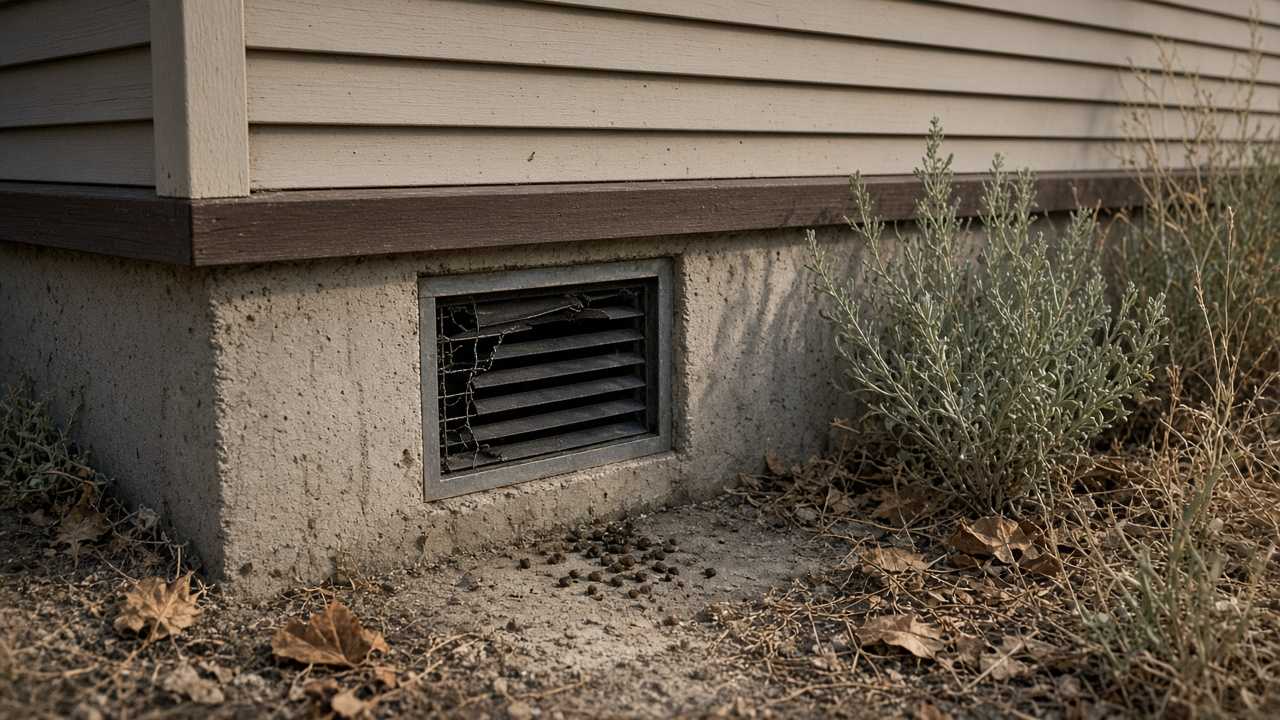
Pest ID: Mice, rats and voles in the Treasure Valley
Danger level: ModerateHow to recognize it
- House mouse: small and slender, with large ears and a long, nearly hairless tail. Droppings are rice-sized and pointed
- Deer mouse: bicolored, brown above and white below, with a white-bottomed tail. More common in rural areas, foothills edges and outbuildings
- Norway rat: large and heavy-bodied, with a blunt nose and a tail shorter than the body. Droppings are large and blunt
- Roof rat: smaller and a strong climber, often using trees and utility lines toward attics
- Vole: stocky with a short tail and small ears. Lives outdoors and makes grass runways
Where it shows up
- Garages, especially near stored seed, pet food or boxes
- Crawlspaces, attics, and wall voids (scratching at night)
- Kitchens: behind appliances and under sinks
- Yards, ditch banks, decks and dense vegetation, especially where food or water is available
- Lawns and planting beds (voles)
Common look-alikes
- Young rat vs. adult mouse
- Young rats have big heads and feet compared to their bodies. Mice have a small head, large ears and small feet.
- Vole vs. mouse
- Voles have short tails, small ears and a rounded body, and they live outdoors. House mice have long tails and big ears.
- Vole damage vs. gopher or mole damage
- Voles leave surface runways and gnawed bark. Gophers push up fan-shaped soil mounds.
Why the danger rating: Rodents contaminate food and surfaces, and they chew wiring and insulation. Deer mice are the primary U.S. carrier of hantavirus (CDC), so never sweep or vacuum droppings. Idaho Health and Welfare also notes disease risks associated with rats.
The 2024–2026 Treasure Valley rodent picture
This hub is the starting point for rodents in Boise and Ada County. It is not a claim that every house has rats, and it does not say that mice have been “replaced.” Two patterns can be true at the same time.
House mice remain the usual indoor problem in fall and winter, especially in garages, wall voids and attics, when stored feed and worn door seals give them a way in. Deer mice matter more around foothills homes, outbuildings and places that sit empty. See house mice and deer mice in Boise and mice in the walls.
Norway and roof rats are a more recent public-health and municipal story. The Idaho Department of Health and Welfare wrote in May 2026 that reports of rat sightings in the Treasure Valley have risen in recent years, and that the two common rat species in Idaho are the non-native Norway rat and the roof rat. Central District Health says rats have been reported in several Ada County communities, including Boise, Eagle and Garden City. The Idaho State Department of Agriculture now hosts a statewide reporting form so local governments can see the picture. In October 2026 the City of Boise updated its nuisance ordinance to address food and harborage, with enforcement beginning December 1, 2026. Details, identification and control are on rat control in Boise.
Use the civic guides next: how to report rats, the Boise rat ordinance, and rats along canals and irrigation ditches.
Mice, rats and voles: what each one means
Mice. House mice slip through very small openings and breed quickly indoors. Deer mice are more common around open land and outbuildings and are the primary U.S. carrier of the hantavirus strain behind most hantavirus pulmonary syndrome cases, according to the CDC. Never sweep or vacuum droppings. Follow the CDC’s wet-cleaning steps.
Rats. Norway rats are typically heavier and more ground-level; roof rats climb. Large droppings, burrows, gnawing or attic signs warrant an inspection that includes both the foundation and the roofline. Rats are wary of new objects, so control takes a more patient approach.
Voles. Voles tunnel through lawns, damage roots and bark, and leave visible runways after snow melts. They rarely come indoors. See vole control in Boise.
Gnawed wood is not the same as termite damage. If you are unsure what you are looking at, compare it with our termite inspection in Boise guide.
Why Boise’s geography still matters
High desert and foothills, irrigated lots, the Boise River corridor, and miles of canals and laterals put rodent habitat next to houses. Officials in 2026 pointed to canal banks as travel routes; that is one reason we wrote a separate canal guide. Cold weather and stored feed still push mice indoors. None of that replaces a look at the actual signs at the property.
Where pressure tends to show up in the Treasure Valley
Older wood-frame stock, rear alleys and crawlspaces: more seal and vent points to inspect, not a neighborhood infestation score.
Mid-century homes and irrigated yards: check garage seals, laterals and outdoor attractants.
Foothills-edge garages and sheds next to open ground: inspect doors, stored feed and outbuildings for deer mice as well as house mice.
River-corridor lots: garage seals, outdoor storage and fence lines along water or irrigation.
General patterns based on housing age, irrigation, and surrounding land use, not measured infestation rates.
Rodent seasonal calendar
Winter
Peak
Mice settle into wall voids, attics and crawlspaces. Check seals before the coldest weeks.
Spring
Low
Vole damage shows after snow melt. Outdoor breeding picks up.
Summer
Low
A good time to seal entry points and reduce outdoor food and shelter.
Fall
Peak
Peak mouse movement indoors as temperatures drop. Rat activity can appear in any season where food and cover remain.
What most rodent jobs still get wrong
- Entry points are never addressed, so new rodents replace trapped ones
- The wrong rodent is targeted. Rat tactics and mouse tactics differ
- Traps are placed in low-activity areas instead of along walls and runways
- Food and shelter conditions stay the same
Ask what rodent exclusion and follow-up should include before comparing prices, and compare providers for exclusion and monitoring rather than choosing on a trapping-only quote. When droppings or nests have soiled attic insulation, that cleanup is covered under rodent attic cleanup — see the attic restoration overview.
How professional rodent control works in Boise
- 1Inspect
Map activity zones (droppings, rub marks, gnawing, nests, burrows) and find entry points around the foundation, vents, utility lines, garage doors and roofline.
- 2Identify
Confirm mice, rats or voles. Trap type, placement and exclusion materials all depend on it.
- 3Treat
Place traps or tamper-resistant stations along active runways in garages, crawlspaces and attics, and outside when needed. Then monitor and adjust.
- 4Prevent
Seal entry points with rodent-resistant materials, remove food sources, and schedule follow-up checks. Report rat sightings if that is what you found.
DIY vs. calling a pro
Reasonable to handle yourself
- One or two mice with an obvious entry point
- Setting snap traps along walls, using several traps close together
- Storing pet food, bird seed and pantry items in sealed containers
- Fixing garage door seals and weather stripping
- Clearing clutter and woodpiles away from the house
Time to call a licensed provider
- Droppings or noises in multiple rooms, walls or the attic
- Any sign of rats (large droppings, burrows, heavy gnawing)
- Chewed wiring or damaged insulation
- Activity continues after 2–3 weeks of trapping
- Large cleanup jobs in crawlspaces or attics (contamination and hantavirus risk)
Avoid scattering loose poison bait in or around the home. It puts pets and wildlife at risk and can leave rodents dying in wall voids. Licensed providers use tamper-resistant stations where bait is appropriate.
Prevention that still works
- Store pantry items, pet food and bird seed in sealed containers
- Clean up spilled seed, fallen fruit and pet food outdoors
- Keep trash and compost lids shut, especially inside Boise city limits
- Trim vegetation away from the foundation and clear debris at fence lines
- Keep garage doors closed and seals in good shape
- Fix dripping hoses and remove standing water
To report a Norway or roof rat sighting, use the ISDA form and Treasure Valley Pied Piper map. Boise households should also read the city rat ordinance on trash, compost and rentals, and the guide to rats along canals and irrigation ditches. Exclusion beats traps alone. For housing-specific inspection context, see pest guides for Boise's North End, Highlands, Central Bench and Harris Ranch. When droppings or nesting have contaminated attic insulation, that is a separate cleanup step — see rodent attic cleanup and the attic restoration hub.
Sources
What makes rodents different in the Treasure Valley
Cold weather is a useful reminder to inspect buildings for rodent entry. Near fields around Nampa and Caldwell, include feed storage and vegetation around outbuildings in that check. An indoor infestation can persist outside the fall season, so do not wait for frost to address fresh signs.
Garages and vehicles are a common local trouble spot. Cars parked in garages or left outside on rural lots attract mice in winter, which nest in engine bays and air filter housings and sometimes chew wiring. Grass seed, pet food and birdseed stored in garages make the problem worse.
Where you find the damage often tells you which rodent you have. Runways and chewed bark in a lawn point to voles. Burrows under a shed or near a chicken coop or compost bin point to rats. Droppings in drawers, pantries or attic insulation usually mean mice. That matters because each one needs a different approach.
Central District Health has received rat reports in Boise, Eagle and Garden City. Local rodent advice should therefore cover roof access as well as ground-level burrows: Idaho Health and Welfare identifies both Norway rats and climbing roof rats in the state. Include roofline gaps and overhanging branches in an inspection.
For a property beside a canal in Meridian or near fields around Nampa, Caldwell or Kuna, focus on controllable attractants: spilled feed, fallen fruit, leaking irrigation and clutter around sheds. Coordinate cleanup with neighbors where practical. Waterways and open land are context for an inspection, not evidence that a particular yard has rodents.
Frequently asked questions
When do rodents get into Boise homes?+
House mice still show up most often in garages, wall voids and attics as weather cools, so check garage seals and stored feed before winter. Separately, official and news sources have documented a rise in Norway and roof rat reports in Ada County in recent years, including Boise, Eagle and Garden City. Fresh signs deserve a look in any season, and the inspection should name the animal.
Do I have mice or rats?+
Droppings are the easiest first clue. Mouse droppings are about the size of a grain of rice and pointed. Rat droppings are much larger, about the size of a raisin or bigger, and blunt. Rats also leave larger gnaw marks and greasy rub marks. Idaho Health and Welfare describes both Norway rats, which are heavy-bodied and often at ground level, and climbing roof rats.
Are voles the same as mice?+
No. Voles are stocky, short-tailed rodents that live outdoors in lawns and gardens. They make surface runways in grass and girdle shrubs and young trees. They rarely come indoors, and controlling them focuses on the landscape rather than the house.
Is it safe to clean up mouse droppings?+
Yes, if you follow CDC wet-cleaning steps. Deer mice are the primary carrier of Sin Nombre virus, the main cause of hantavirus pulmonary syndrome in the U.S. Do not sweep or vacuum droppings, urine or nests. Wear rubber or plastic gloves, spray the area until very wet with a disinfectant or a fresh bleach solution of 1.5 cups of bleach per gallon of water (the CDC also describes this as 1 part bleach to 9 parts water), let it soak five minutes, wipe it up with paper towels, then disinfect and wash your hands. Full steps: CDC: How to Clean Up After Rodents. Heavy infestations call for extra precautions.
How do I report rats in Boise or Ada County?+
Use the Idaho State Department of Agriculture’s rat reporting form and the Treasure Valley Pied Piper map that Central District Health and the City of Boise point residents to. Reporting helps officials see where activity is observed. It is not a request for the city or the health district to trap on your property. See our reporting guide for links and limits.
Licensing in Idaho: how to verify a provider
In Idaho, professional pesticide applicators are licensed by the Idaho State Department of Agriculture (ISDA). To get licensed, they pass an exam for each category of work they do and show proof of financial responsibility. Since ISDA's 2024 rule update, home and building pest work for insects, spiders and wood-destroying pests such as termites falls under the Industrial, Institutional, and Structural Pest Control – Non-Commodity (IP) category. Rodent work may also involve General Vertebrate Control (GV). (ISDA license categories)
Before you hire anyone, ask for the applicator's name and license number. Check that the license is current, and that it covers the right category, with ISDA's Certified Applicator License Search, or call ISDA pesticide licensing at (208) 332-8600. Also ask what products they plan to use, and ask for the label or safety data sheet if you have kids, pets, or a well.