Carpenter Ant Control in Boise, Idaho
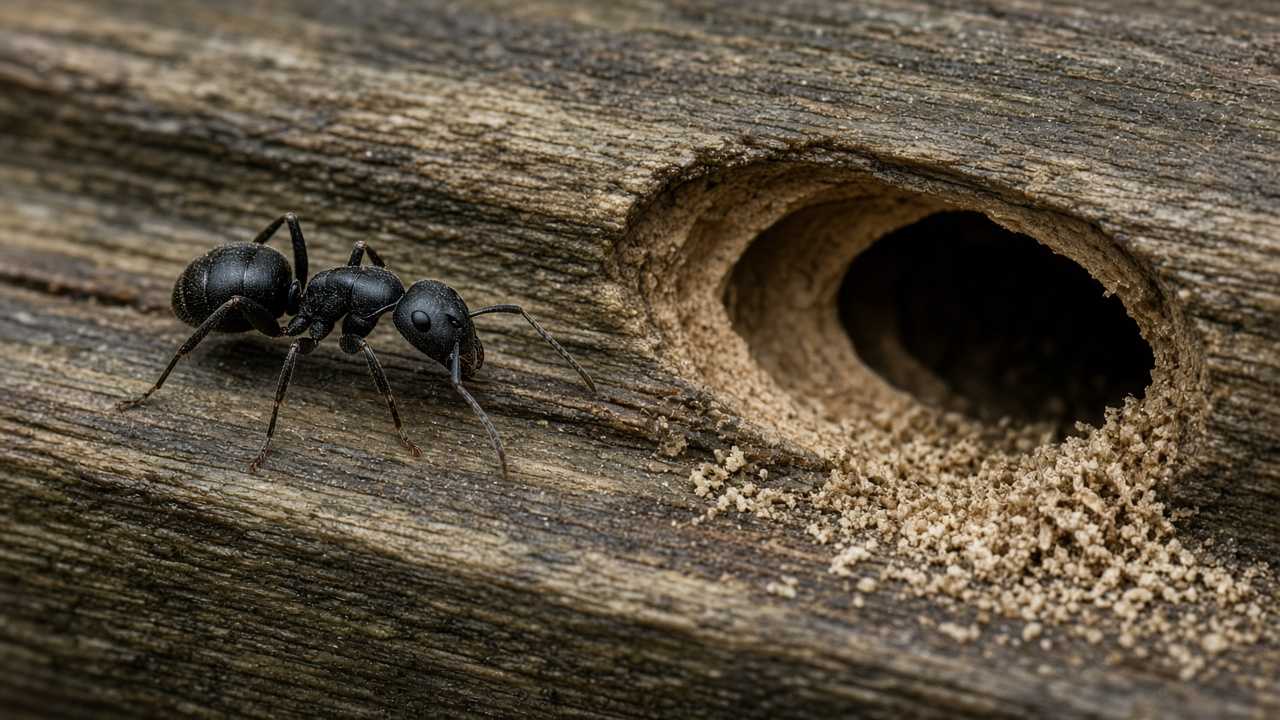
Carpenter ants are one of the most concerning ant species homeowners encounter in Boise. Unlike most ants that simply invade kitchens looking for food, carpenter ants tunnel through wood to create nesting galleries. Over time, these tunnels can weaken wooden structures inside homes, garages, and outdoor buildings.
In the Treasure Valley, carpenter ants are often found in areas where moisture has softened wood, such as around leaking windows, crawlspaces, decks, or damaged siding. Once a colony becomes established, ants may travel significant distances between their nest and food sources.
Effective carpenter ant control in Boise focuses on identifying nesting locations, eliminating the colony, and correcting the conditions that allow carpenter ants to return.
Why Carpenter Ants Appear in Boise Homes
Several factors common in Boise properties make carpenter ants more likely to appear.
Moist or damaged wood
Carpenter ants prefer wood that has been softened by moisture or decay.
Older homes with wooden structures
Many Boise homes, especially older properties on the Bench, contain exposed wood structures that can support nesting.
Decks, fences, and outdoor structures
Exterior wood features often become starting points for carpenter ant colonies.
Nearby natural habitat
Trees, stumps, and wooded areas around residential neighborhoods can support carpenter ant populations.
Once a colony establishes itself nearby, worker ants may begin foraging inside homes.
Signs of Carpenter Ant Activity
Carpenter ants often remain hidden for long periods because their nests are typically inside wood structures.
Common warning signs include:
• Large black ants appearing indoors, especially at night
• Small piles of wood shavings or sawdust-like material (called frass)
• Rustling sounds inside walls or wooden structures
• Ant trails leading to moisture-damaged wood
• Winged ants emerging indoors during swarm season
Seeing carpenter ants inside the home usually indicates that a colony is already nearby.
Where Carpenter Ants Nest Around Boise Properties
Carpenter ants typically nest in wood that provides both shelter and moisture.
Common nesting locations include:
Wall voids and structural framing
Moisture-damaged wood behind walls can support hidden colonies.
Crawlspaces and basements
These areas often contain exposed wood with higher humidity.
Decks and porch structures
Outdoor wood features are common nesting sites.
Tree stumps or fallen wood near the home
Colonies sometimes begin in natural wood before spreading toward structures.
Because carpenter ant colonies may exist in multiple satellite nests, locating the primary nesting area is critical.
Why Carpenter Ant Infestations Are Difficult to Eliminate
Carpenter ants are not always eliminated by basic ant sprays.
Challenges include:
• Colonies hidden deep inside wooden structures
• Multiple satellite nests around a property
• Large foraging ranges from the main colony
• Activity that occurs primarily at night
Effective control usually requires locating and eliminating the colony rather than simply treating visible ants.
How Professional Carpenter Ant Control Works in Boise
Professional carpenter ant control typically focuses on both colony removal and prevention. When requesting a quote, compare the inspection and treatment cost factors, including nest access and any follow-up work.
Inspection and nest identification
Technicians inspect moisture-prone areas and wood structures where carpenter ants commonly nest.
Targeted treatment strategies
Treatments may be applied to nesting areas, entry points, and high-activity zones.
Colony elimination
Removing the primary colony and satellite nests is critical to stopping the infestation.
Prevention recommendations
Homeowners receive guidance on correcting moisture issues and reducing wood contact with soil.
This approach helps ensure long-term control rather than temporary relief.
Carpenter Ant Prevention Tips for Boise Homes
Several steps can reduce the likelihood of carpenter ants establishing colonies around a property.
Helpful prevention steps include:
• Repair leaking windows, roofs, or plumbing
• Replace moisture-damaged wood
• Trim tree branches away from roofs and siding
• Remove old stumps or decaying wood near the home
• Keep firewood stacked away from structures
• Reduce wood-to-soil contact around decks and fences
Managing moisture and wood conditions is one of the most effective ways to prevent carpenter ant infestations.
Related Ant Services in Boise
Carpenter ants are only one type of ant commonly seen in Boise homes. Other species may invade kitchens, patios, and landscaping areas in search of food. For small trailing insects around food or plumbing, see small ants around the kitchen sink rather than assuming they are wood-nesting ants.
Related services include:
Identifying other household ants
Other ant problems sometimes seen in the Treasure Valley include:
• Odorous house ants invading kitchens and pantries
• Pavement ants nesting near sidewalks and foundations
Identifying the specific ant species helps determine the most effective treatment approach.
Learn More About Pest Control in Boise
Ant infestations often indicate broader conditions that allow pests to thrive around a home. Food sources, moisture, and structural gaps that attract ants may also invite other pests indoors.
For a broader look at how professionals protect homes throughout the Treasure Valley, explore pest control in Boise and the strategies used to prevent infestations year-round.
Because carpenter-ant damage is often mistaken for termites, it helps to read how subterranean termite damage looks and the frass and wood-damage clues side by side.
What makes carpenter ants different in the Treasure Valley
Carpenter ants often establish nests in damp wood and can later extend into sound wood, so inspect moisture sources even in a dry valley. Common local sources include roof and gutter leaks, wood siding kept wet by sprinklers, decks built close to irrigated lawns, and old window frames with failed caulking.
Trees and stumps can hold outdoor carpenter-ant nests. Where branches touch a roof, they provide a possible bridge to the building; inspect for actual trails rather than assuming every mature tree contains a colony.
Foothills-edge homes with wood landscaping, stumps or firewood stored against the house carry similar risk. Seeing large black ants indoors in late winter or early spring, before outdoor activity starts, can be a sign the nest is inside.
The North End’s mature tree canopy and the landscaped lots along Warm Springs Avenue suggest useful inspection questions, not proof that a house is infested: is a branch touching the building, is a window leaking, or is a porch beam staying wet? Check those conditions before authorizing a general perimeter spray.
In Eagle, Star or a foothills-edge property, include stored firewood, stumps and damp deck connections in the inspection. Carpenter ants excavate wood rather than eat it, and an established colony can extend into sound wood. Repairing a leak is important, but does not by itself show that a hidden nest has been removed.
Frequently asked questions
Are carpenter ants dangerous to Boise homes?+
Yes. Over time, carpenter ants can weaken wood structures by tunneling through them.
Do carpenter ants eat wood like termites?+
No. Carpenter ants excavate wood to create nests but do not consume it for food.
Why are carpenter ants appearing inside my Boise house?+
They may be foraging from a nearby nest or a colony may already exist inside a wall or wooden structure.
Are carpenter ants common in Boise?+
Yes. Carpenter ants are regularly seen in Boise, especially in areas with moisture-damaged wood or nearby natural habitat.
Will spraying ants eliminate carpenter ant colonies?+
Surface sprays may reduce visible ants but often do not eliminate the hidden colony.
Licensing in Idaho: how to verify a provider
In Idaho, professional pesticide applicators are licensed by the Idaho State Department of Agriculture (ISDA). To get licensed, they pass an exam for each category of work they do and show proof of financial responsibility. Since ISDA's 2024 rule update, home and building pest work for insects, spiders and wood-destroying pests such as termites falls under the Industrial, Institutional, and Structural Pest Control – Non-Commodity (IP) category. Rodent work may also involve General Vertebrate Control (GV). (ISDA license categories)
Before you hire anyone, ask for the applicator's name and license number. Check that the license is current, and that it covers the right category, with ISDA's Certified Applicator License Search, or call ISDA pesticide licensing at (208) 332-8600. Also ask what products they plan to use, and ask for the label or safety data sheet if you have kids, pets, or a well.