Vole Control in Boise, Idaho
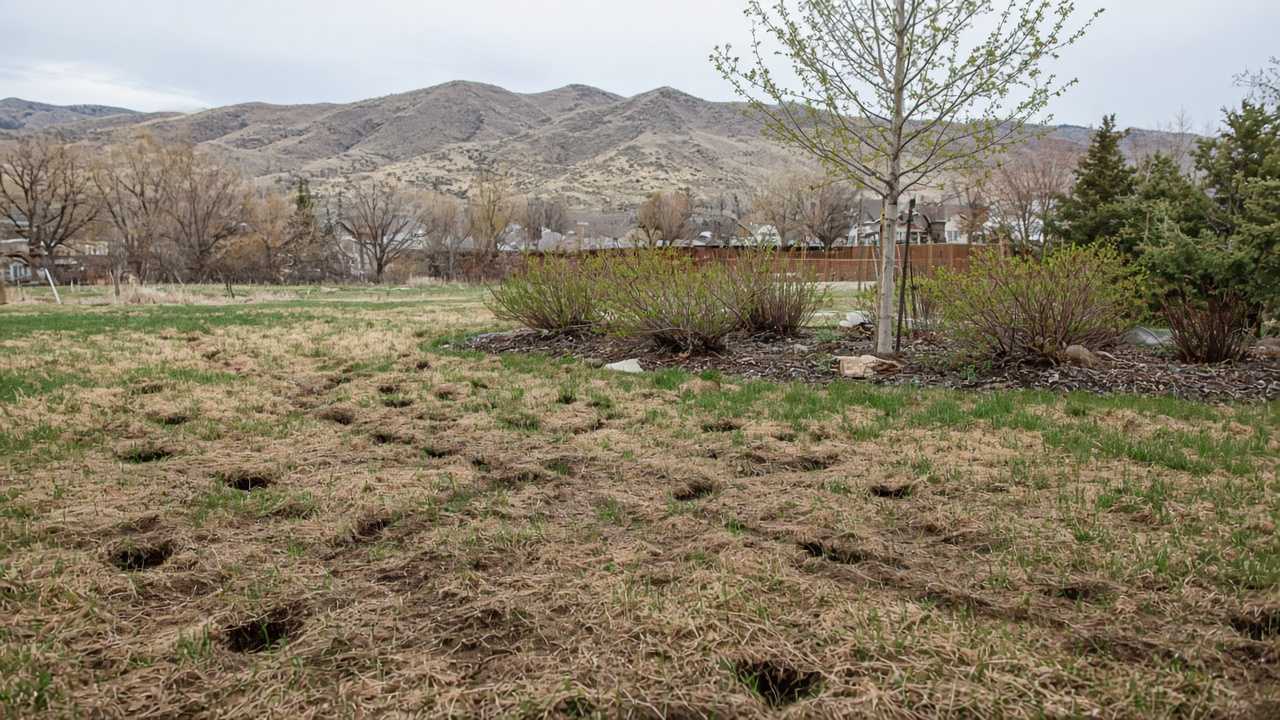
Voles are small rodents that live primarily outdoors, but they can cause significant damage to lawns, landscaping, and garden areas around Boise homes. Because they tunnel just beneath the soil surface, vole activity often becomes noticeable only after plants, grass, or roots begin to deteriorate.
In the Treasure Valley, irrigated yards, decorative landscaping, and dense ground cover create ideal environments for voles to thrive. Once established, they can create extensive tunnel systems that damage plant roots and leave visible trails across lawns.
Effective vole control in Boise focuses on identifying active areas, reducing habitat that allows voles to hide, and implementing targeted control methods to protect landscaping.
Why Voles Are Common in Boise Yards
Voles are particularly well suited to Boise’s residential landscaping environments.
Several conditions make properties more attractive to vole populations:
Irrigated lawns and gardens
Moist soil and healthy plant roots provide food and shelter for voles.
Dense ground cover and landscaping
Thick shrubs, ornamental grasses, and mulch beds offer protection from predators.
Decorative rock and garden borders
These areas often conceal vole runways and nesting zones.
Unmanaged vegetation
Overgrown areas create ideal hiding spots for small rodents.
When these conditions exist together, vole populations can expand quickly.
Signs of Vole Activity in Boise Lawns
Voles are rarely seen directly because they spend most of their time inside shallow tunnel systems beneath the surface of the soil. Before choosing a control method for a yard hole, compare rat burrows versus vole runways and have the animal confirmed.
However, their activity often leaves visible evidence.
Common signs include:
• Narrow surface runways through grass or landscaping
• Small holes or tunnel openings in soil
• Damaged or dying plants with chewed roots
• Bark damage near the base of young trees or shrubs
• Soft or collapsed sections of lawn where tunnels exist
These signs often appear in clusters, indicating active vole pathways beneath the lawn.
Signs of voles in a Boise lawn
- Narrow surface runways through grass or landscaping
- Small holes or tunnel openings in soil
- Damaged or dying plants with chewed roots
- Bark damage near the base of young trees or shrubs
- Soft or collapsed sections of lawn over tunnels
Have the animal confirmed before choosing a method: rat burrows and vole runways call for different approaches.
How Voles Damage Landscaping
Unlike mice and rats that seek shelter inside structures, voles primarily feed on plant material.
Common damage includes:
Root damage to plants and shrubs
Voles feed on roots and underground plant structures.
Surface runways across lawns
Repeated travel paths create visible trails through grass.
Tree and shrub bark damage
During colder months, voles may chew bark near the base of young plants.
Garden crop damage
Voles sometimes target vegetable gardens and ornamental plantings.
Over time, these feeding patterns can significantly weaken landscaping.
Why Vole Problems Can Spread Quickly
Voles reproduce rapidly and can establish large populations when conditions are favorable.
Several factors allow infestations to grow quickly:
• Abundant plant food sources
• Thick vegetation that provides protection
• Shallow tunnel networks that expand easily
• Lack of natural predators in residential environments
Because of this, early identification is important before vole populations expand.
How Professional Vole Control Works in Boise
Professional vole control focuses on identifying active areas and reducing the conditions that support vole populations.
Typical control steps include:
Inspection of landscaping and lawns
Technicians identify runways, tunnels, and feeding zones.
Targeted control methods
Traps or bait stations may be used in active vole pathways.
Habitat reduction guidance
Homeowners receive recommendations to reduce dense vegetation and shelter areas.
Monitoring and follow-up
Active properties may require monitoring until vole activity subsides.
The goal is to protect landscaping while reducing conditions that allow voles to thrive.
Vole Prevention Tips for Boise Homeowners
While some vole activity may occur naturally in outdoor environments, several steps can reduce the likelihood of serious damage.
Helpful prevention measures include:
• Keep grass trimmed and landscaping maintained
• Reduce dense ground cover near foundations
• Clear excess mulch and plant debris
• Protect young trees with trunk guards when necessary
• Maintain well-defined landscaping borders
• Monitor lawns for early signs of runway activity
These practices make yards less attractive to vole populations.
Related Rodent Services in Boise
Voles are only one type of rodent seen around Boise homes. Other rodent species may affect structures, garages, and crawlspaces.
Related rodent services include:
Indoor and outdoor rodent differences
Other rodent problems sometimes seen in Boise:
• Mice infestations inside garages and wall spaces
• Rat activity around crawlspaces and exterior burrows
Identifying the specific rodent species helps determine the most effective control strategy.
Learn More About Pest Control in Boise
Rodent activity outdoors can sometimes indicate broader pest conditions around a property. Landscaping shelter, moisture, and food sources that attract voles may also support other pests.
For a broader look at how professionals protect homes throughout the Treasure Valley, explore pest control in Boise and the strategies used to prevent infestations year-round.
Voles stay outdoors, but other rodents may not. If you also see droppings in the garage, read how to handle mice indoors. For yard programs, see what drives treatment cost.
What makes voles different in the Treasure Valley
Irrigated turf provides food and cover in an otherwise dry region; inspect the actual grass runways and plant damage rather than inferring vole numbers from a city name. Thick grass, ground cover and mulch beds give them food and cover, and regular watering keeps the vegetation lush.
Winter is when much of the damage happens. Snow cover hides their surface runways from predators, so voles keep feeding and chewing through the cold months. When the snow melts in late winter, homeowners discover winding trails in the lawn and girdled bark on young trees and shrubs.
Subdivisions built on former farmland or next to open fields and canal banks often see voles move in from surrounding grassy areas. Keeping grass mowed short along borders, pulling mulch back from tree trunks and using hardware-cloth tree guards all reduce damage.
An irrigated lawn in Eagle or West Boise can look very different from the dry sagebrush beyond the yard. When narrow grass runways appear, map where they meet thick ground cover, a fence border or young trees. Do not assume every hole near a canal in Meridian or Star is a vole burrow.
University of Idaho recommends habitat reduction, exclusion and trapping among nonchemical vole-management options. Around Nampa and Caldwell, include the edge between a maintained yard and unmanaged grass in the assessment. Protect vulnerable plantings and identify the animal before choosing a product; a mouse plan for a garage is not a landscape vole plan.
Sources for this local guidance
Frequently asked questions
What’s the difference between gopher and vole damage in Boise yards?+
Voles create surface runways and damage grass roots; gophers create deep tunnel mounds and damage irrigation lines.
Do voles damage foundations in Boise?+
Voles primarily damage root systems and lawn surfaces rather than foundations, but heavy infestations can undermine landscaping.
How do I know if I have voles in my Boise lawn?+
Look for narrow surface runways in grass, especially as snow melts, small burrow openings without dirt mounds, and gnawing on the base of shrubs and young trees. Mole and gopher activity leaves raised ridges or soil mounds instead.
When are voles most active in the Treasure Valley?+
Voles are active year-round. Damage is most visible in spring when snow melts and reveals runways and girdled plants. Snow cover and thick grass protect them through winter.
How can I protect trees and shrubs from voles?+
Wrap young trunks with hardware cloth guards, keep mulch pulled back from trunks, mow regularly, and reduce dense ground cover near planting beds. These steps take away the cover voles rely on.
Licensing in Idaho: how to verify a provider
In Idaho, professional pesticide applicators are licensed by the Idaho State Department of Agriculture (ISDA). To get licensed, they pass an exam for each category of work they do and show proof of financial responsibility. Since ISDA's 2024 rule update, home and building pest work for insects, spiders and wood-destroying pests such as termites falls under the Industrial, Institutional, and Structural Pest Control – Non-Commodity (IP) category. Rodent work may also involve General Vertebrate Control (GV). (ISDA license categories)
Before you hire anyone, ask for the applicator's name and license number. Check that the license is current, and that it covers the right category, with ISDA's Certified Applicator License Search, or call ISDA pesticide licensing at (208) 332-8600. Also ask what products they plan to use, and ask for the label or safety data sheet if you have kids, pets, or a well.