Termite Inspection in Boise, ID
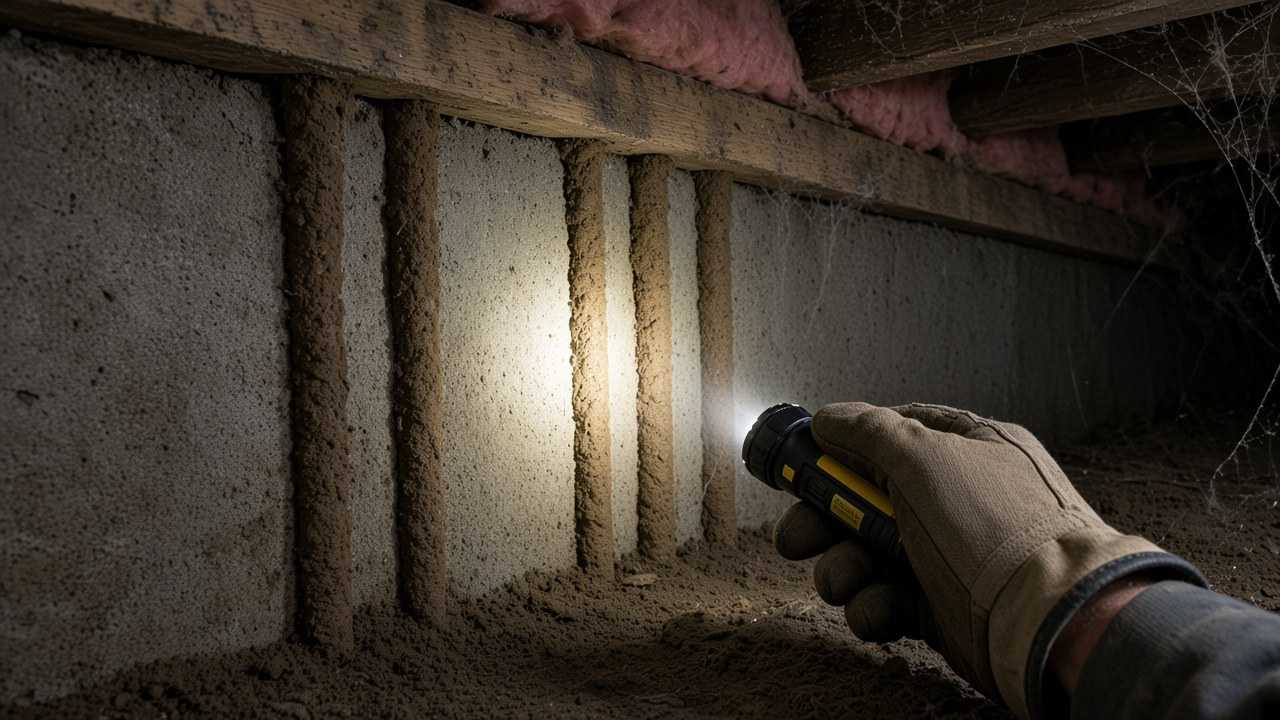
What a termite inspection checks
Subterranean termites work in soil and inside wood, so a useful inspection is a slow walk around the parts of the house an inspector can actually reach. A typical visit in the Treasure Valley covers the following areas. Treatment recommendations, if they are needed, belong in a separate discussion — see termite control in Boise for liquid treatments and bait systems.
- Mud tubes. Pencil-width earthen tunnels on foundation walls, crawlspace piers, siding, and behind items stored against a wall. Active tubes are often rebuilt if they are broken open.
- Wood damage. Wood that sounds hollow, crumbles, or opens into mud-packed galleries running with the grain. Paint that bubbles or baseboards that fail when pressed are worth checking, but they have other causes too.
- Crawlspaces. Sill plates, floor joists, support piers, plumbing penetrations and moisture. Older crawlspace homes on the Bench and in the North End often need more time here than a slab house does.
- Slabs. Edges, expansion joints, garage-to-house junctions and places where pipes come through the concrete. A slab limits what can be seen inside the soil, so the report should say what was not accessible.
- Foundation and wood-to-soil contact. The exterior foundation line, deck and porch posts, steps, door frames, fence lines against the house, and stored firewood or lumber.
Inspectors may also ask about past swarmers or piles of discarded wings, and they may note irrigation or drainage that keeps soil wet against the foundation. A written diagram of findings is more useful than a verbal summary alone.
What a termite inspection checks around a Boise home
- Crawlspace: sill plates, joists, piers and moisture
- Slab edges, expansion joints and plumbing penetrations
- Foundation exterior and mud tubes
- Wood-to-soil contact: decks, steps, siding and stored wood
- Garage and interior wood: baseboards, door frames and trim
An inspection is a visual check of accessible areas. Finished walls, tight crawlspaces and hidden slab voids can limit what an inspector can see.
Subterranean termites in the Treasure Valley
University of Idaho Extension reports subterranean termites statewide in Idaho except the Panhandle and high mountain country, and they can damage Boise homes. Native high-desert soil is dry, which termites do not prefer, but irrigation around homes changes the soil next to the foundation. That is why mud-tube and wood-to-soil checks matter even in a dry valley. Species in this region are subterranean termites (Reticulitermes spp.), not drywood termites of the kind common in some coastal climates.
- Irrigation and poor drainage keep soil moist where it meets the house — the zone termites forage.
- Crawlspace construction gives inspectors (and termites) more wood to examine at the sill and joists.
- Wood that touches soil from decks, steps, planters or stored lumber is a direct path.
Where pressure tends to show up in the Treasure Valley
Older crawlspace homes: plan extra time for sills, piers and wood-to-soil contact, not a neighborhood ranking.
Mid-century stock with irrigated yards: check grading, laterals and slab or crawlspace edges.
River-corridor moisture context: confirm drainage and screened openings as part of the inspection.
Sloped lots and decks: inspect wood members near soil and any irrigation overspray at the foundation.
General patterns based on housing age, irrigation, and surrounding land use, not measured infestation rates.
Real estate and WDI reports
Many Treasure Valley home sales include a wood-destroying insect inspection, sometimes called a WDI or WDO report, because a buyer or lender asked for one. That is not the same as a statewide Idaho mandate that every sale must have a termite inspection.
HUD’s Termite Treatment Exception Areas list (updated November 3, 2021) records Idaho as “Not required in any county.” That document is about termite treatment documentation on new construction, not a rule that inspections are never used on existing homes. Do not read it as “Idaho never needs a termite inspection.”
For an existing home, FHA guidance has long said an inspection can be required when there is evidence of infestation, decay or suspicious damage, when it is customary in the area, when a state or local rule requires it, or when the lender asks. When a national form is used, that report is typically the NPMA-33. Idaho is not on HUD’s list of states that mandate their own state WDI form. Other loan programs and individual lenders may also request a report. Confirm the current requirement with your lender or closing agent; this page is not legal or lending advice.
What happens after the inspection
You should leave with a written report that shows where the inspector looked, what was found and which areas could not be reached. If no activity is found, ask whether a later reinspection makes sense, especially on older crawlspace homes.
If mud tubes, damage or live termites are documented, the next step is a treatment discussion — not a second guess based on a retail kit. Compare liquid soil treatments and bait-and-monitor systems in our termite control in Boise guide, and ask what any warranty covers. Moisture, irrigation and wood-to-soil contact still need to be corrected, or the same conditions will remain after treatment.
If the damage looks like clean, smooth galleries with sawdust-like frass, you may be looking at carpenter ants rather than termites. A careful inspection should separate those findings.
What affects inspection cost
Inspection cost depends on the house and the report, not a single posted rate, so this site does not invent a price range. Factors that commonly change a quote include:
- Foundation type and access — a tight or wet crawlspace takes more time than a simple slab walk-around
- The size of the house and whether detached garages or other structures are included
- Whether a written WDI report (such as an NPMA-33) is included
- Follow-up visits if activity is found and a treatment proposal is prepared
For broader pricing context, see our pest control cost in Boise guide. Ask what is included before you compare bids.
If the inspection finds activity, or you already know you need treatment, see termite control options in Boise for liquid treatments and bait systems. Large black ants and clean galleries usually point to carpenter ants rather than termites. Mud tubes and swarmers are also covered in our guide to infestation signs.
How a Boise termite inspection usually works
- 1Inspect
A licensed inspector checks accessible areas: foundation, crawlspace or slab edges, garage, and wood-to-soil contact, and notes moisture problems.
- 2Identify
Findings are separated from carpenter ants or wood rot. The written report should show what was found and which areas were not accessible.
- 3Treat
If termites are confirmed, the next conversation is a treatment plan — liquid soil treatment, a bait system, or both. Those options are covered on our termite control page.
- 4Prevent
Break wood-to-soil contact, fix irrigation and drainage, and schedule reinspections, especially on older crawlspace homes.
DIY vs. calling a pro
Reasonable to handle yourself
- Walk the foundation and look for mud tubes a few times a year
- Keep wood siding, deck posts and stored lumber off the soil
- Point sprinklers away from the foundation and fix leaks
- Save a sample of any swarmers in a sealed bag for identification
Time to call a licensed provider
- Mud tubes, swarmers indoors, or damaged wood
- A home purchase or sale that calls for a wood-destroying insect report
- Any treatment decision after activity is found
- Crawlspaces or slabs you cannot safely or thoroughly check yourself
A visual inspection can only cover accessible areas. Hidden damage under slabs or behind finished walls may not show up on the report.
Sources
Frequently asked questions
What does a termite inspection in Boise check?+
A typical inspection is a visual check of accessible areas: the foundation, crawlspace or basement, slab edges, garage and any wood that touches soil. Inspectors look for mud tubes, damaged or hollow-sounding wood, moisture problems and signs of past swarmers. Finished walls and tight spaces can limit what can be seen, so ask what was and was not accessible.
Are termite inspections required when selling a home in Idaho?+
Idaho does not have a blanket statewide rule that every home sale must include a termite inspection. Lenders and buyers in the Treasure Valley often still request a wood-destroying insect (WDI) report. FHA guidance for existing homes can require an inspection when there is evidence of infestation or damage, when it is customary in the area, when a state or local rule requires it, or when the lender asks. Confirm the requirement with your lender or closing agent.
What is a WDI or WDO inspection?+
A wood-destroying insect (WDI) or wood-destroying organism (WDO) inspection is a written report on evidence of termites and, depending on the form, other wood-destroying pests or conditions. When a national form is used, that report is typically the NPMA-33. Idaho is not on HUD’s list of states that require their own state WDI form. The report documents accessible areas and findings; it is not a warranty that hidden damage does not exist.
What happens after a termite inspection finds activity?+
The written report should show where activity or damage was found and which areas could not be inspected. Next steps depend on the findings: further investigation, moisture or wood-to-soil corrections, and, if termites are confirmed, a treatment plan. Liquid soil treatments and bait systems are covered in our termite control guide. If no activity is found, ask whether a reinspection schedule makes sense for your house.
What affects the cost of a termite inspection in Boise?+
Cost depends on the house and the report, not a single posted rate. Crawlspace homes take more time than a simple slab walk-around. Access, the number of structures, and whether a written WDI report is included all affect the quote. This site does not publish a price, because it would be a guess. Ask what is included before you compare bids.
Licensing in Idaho: how to verify a provider
In Idaho, professional pesticide applicators are licensed by the Idaho State Department of Agriculture (ISDA). To get licensed, they pass an exam for each category of work they do and show proof of financial responsibility. Since ISDA's 2024 rule update, home and building pest work for insects, spiders and wood-destroying pests such as termites falls under the Industrial, Institutional, and Structural Pest Control – Non-Commodity (IP) category. Rodent work may also involve General Vertebrate Control (GV). (ISDA license categories)
Before you hire anyone, ask for the applicator's name and license number. Check that the license is current, and that it covers the right category, with ISDA's Certified Applicator License Search, or call ISDA pesticide licensing at (208) 332-8600. Also ask what products they plan to use, and ask for the label or safety data sheet if you have kids, pets, or a well.