Cockroach Extermination in Boise
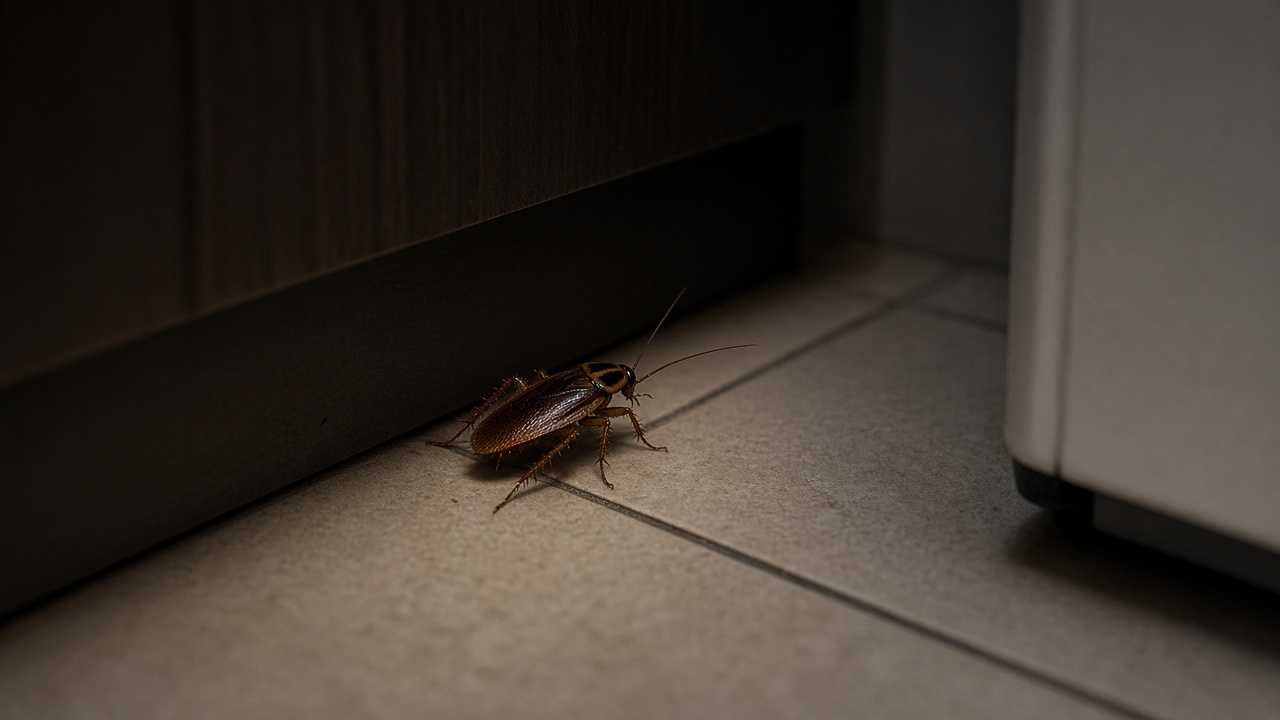
If you’ve spotted a cockroach in your Boise home, there’s a good chance it’s not alone. Cockroach extermination in Boise typically involves identifying the species you’re dealing with, treating both the visible infestation and the places roaches hide, and closing off the conditions that let a single sighting turn into a colony. Unlike most Treasure Valley pests, roaches aren’t seasonal — they’re a year-round problem once they establish indoors.
Cockroach Identification in Boise Homes
Cockroach species have different habits; this guide does not establish a local species-frequency ranking. German cockroaches are the smaller, tan-colored roach most commonly found indoors — in kitchens, bathrooms, and anywhere there’s warmth, moisture, and food debris. They reproduce fast, and because they prefer to stay inside year-round, an indoor sighting usually means an established population, not a one-off wanderer.
American cockroaches are larger and reddish-brown and favor warm, moist places. Oriental cockroaches favor damp basements, crawlspaces and drains. These habitat descriptions help an inspection, but do not show which species lives near a particular Treasure Valley canal.
Knowing which one you have changes the treatment approach — German roach infestations need aggressive baiting and monitoring focused on kitchens and bathrooms, while American roach problems often trace back to an entry point near plumbing or the foundation.
Why Cockroaches Show Up in Treasure Valley Homes
Roaches need three things: food, water, and warmth. Boise homes provide all three, especially in winter when roaches (like most pests) move indoors seeking shelter. Common attractants include:
- Pet food left out overnight
- Moisture around dishwashers, under sinks, or near water heaters
- Cardboard and paper clutter in garages or basements, which roaches use for shelter
- Gaps around plumbing penetrations, especially in older Boise homes near the North End or Bench
A single roach seen during the day is a bigger warning sign than an isolated nighttime sighting — German roaches are nocturnal, so daytime activity usually means the hiding spots are already overcrowded.
What Professional Cockroach Treatment Involves
DIY roach treatments (foggers, over-the-counter sprays) often make infestations worse by scattering roaches into new hiding spots instead of eliminating the colony. Professional cockroach extermination in Boise typically combines:
- Gel baiting placed at harborage points, which roaches carry back to the colony
- Crack-and-crevice treatment targeting cabinets, appliance motors, and baseboards
- Growth regulators to disrupt reproduction, not just kill visible roaches
- Exclusion work sealing entry points, particularly around plumbing and foundation gaps
Most German roach infestations require a follow-up treatment 2–3 weeks after the initial service to catch newly hatched roaches, since egg cases (oothecae) are resistant to many treatments.
Cockroaches in Commercial Properties
Roach infestations carry extra weight for Boise restaurants, offices, and multifamily properties — a single customer sighting can do real reputational damage, and Idaho health code compliance depends on documented, ongoing pest management. If you’re managing pest control for a commercial property, see our Commercial Pest Control in Boise guide for what an ongoing program should include.
Cost of Cockroach Extermination in Boise
Cost depends on the species, how severe and widespread the infestation is, how many follow-up visits are needed (German roach infestations usually need several), and the home's size and access. Get 2–3 written quotes from ISDA-licensed providers that cover the same number of visits.
Dealing With Roaches in Your Boise Home?
Cockroach infestations rarely resolve on their own, and DIY treatments often scatter the problem rather than solve it. Understanding which species you’re dealing with — and how established the colony is — is the first step toward effective treatment.
Roaches and ants often compete for the same crumbs and moisture. If you are seeing small trailing insects too, our guide to ants around the kitchen sink covers that problem. Droppings and egg cases are among the telltale signs of a hidden infestation, and follow-up visits are a big cost factor for German roaches.
What makes cockroaches different in the Treasure Valley
Heated indoor spaces can provide the food, water and shelter cockroaches need despite Boise’s dry outdoor climate. Inspect boxes, used appliances and plumbing routes when tracing a possible introduction.
Species differ: German cockroaches favor warm kitchens, while Oriental cockroaches favor damp, cooler spaces. Those habits help guide inspection but do not establish local species frequency or make an older neighborhood more infested.
Check moisture under sinks, food residues near appliances and gaps around pipes. Monitoring and identification should determine where treatment is focused.
Boise’s dry outdoor climate does not describe the space behind a warm refrigerator or a leaking sink. In a Bench basement or a West Boise kitchen, look for persistent moisture, food debris and cardboard shelter. Confirm the insect rather than assuming every dark bug near an irrigated yard is a cockroach.
For apartments in Garden City or Southeast Boise, ask management about plumbing penetrations and adjoining-unit inspection. University of Minnesota’s guidance supports coordinated control in multifamily buildings; it does not establish which species is most common in Boise. A specimen and monitoring traps are better evidence than a citywide species assumption.
Sources for this local guidance
Frequently asked questions
What types of cockroaches are common in Boise, ID?+
Have a specimen identified rather than assuming Boise has only two household species. German cockroaches favor warm kitchens; American and Oriental cockroaches have different moisture and temperature preferences. A Bench basement and a Garden City apartment may need different inspection routes, not an automatic species label.
Are cockroaches dangerous?+
Yes. Cockroaches spread bacteria as they move between unsanitary areas and food surfaces, and their shed skin and droppings are a known trigger for asthma and allergic reactions, especially in children.
Why do German cockroaches need several treatments?+
German cockroaches breed quickly and their egg cases protect developing nymphs from many treatments. Providers usually return to check bait placements and treat newly hatched roaches until activity stops.
Where do cockroaches hide in Boise homes?+
German cockroaches stay close to warmth, food and moisture in kitchens and bathrooms: behind and under appliances, inside cabinets, and around plumbing. Inspect damp basements and drain areas too, but have a specimen identified rather than assuming a particular species from its location.
How do I keep cockroaches from coming back?+
Remove food and water: store food sealed, clean grease and crumbs, fix leaks, and take out trash often. Seal gaps around pipes and cabinets, and inspect secondhand appliances and grocery boxes, which can carry roaches in.
Licensing in Idaho: how to verify a provider
In Idaho, professional pesticide applicators are licensed by the Idaho State Department of Agriculture (ISDA). To get licensed, they pass an exam for each category of work they do and show proof of financial responsibility. Since ISDA's 2024 rule update, home and building pest work for insects, spiders and wood-destroying pests such as termites falls under the Industrial, Institutional, and Structural Pest Control – Non-Commodity (IP) category. Rodent work may also involve General Vertebrate Control (GV). (ISDA license categories)
Before you hire anyone, ask for the applicator's name and license number. Check that the license is current, and that it covers the right category, with ISDA's Certified Applicator License Search, or call ISDA pesticide licensing at (208) 332-8600. Also ask what products they plan to use, and ask for the label or safety data sheet if you have kids, pets, or a well.