Bed Bug Treatment in Boise, ID: Heat vs. Chemical
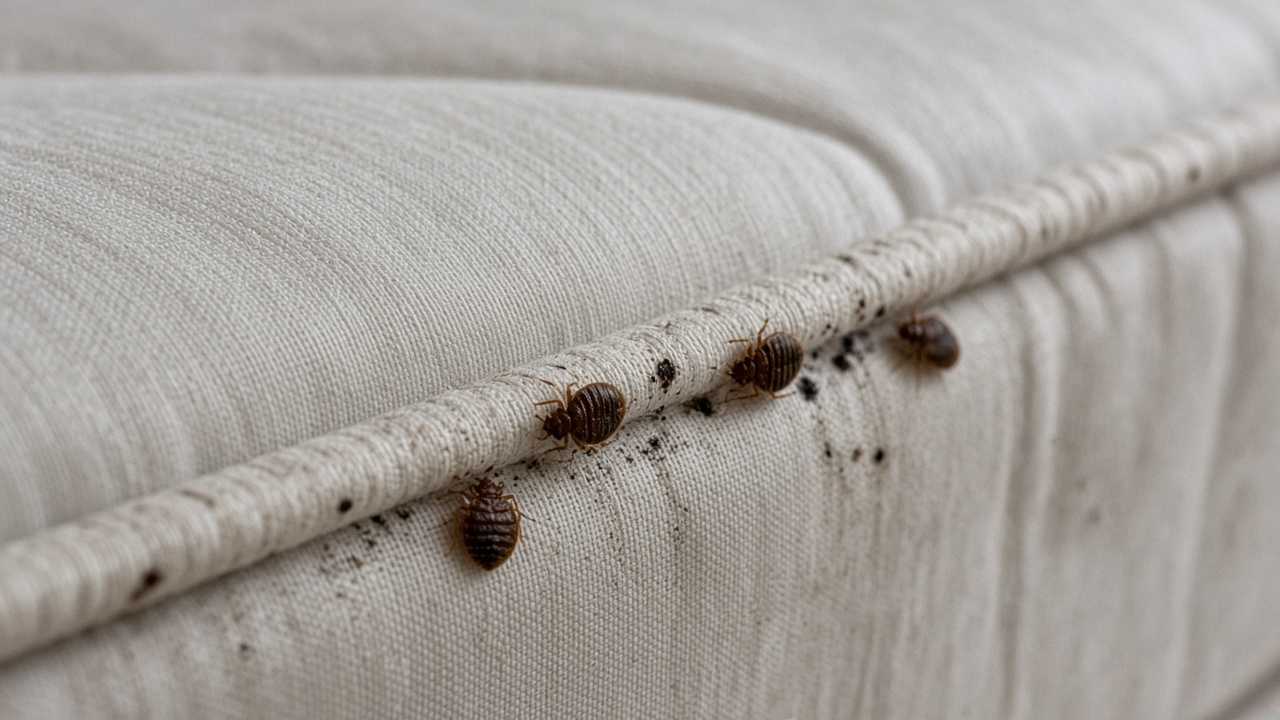
Bed bug treatment in Boise requires a different approach than most pest problems — these insects don’t respond to standard pest control products, they spread silently through luggage and secondhand furniture, and an untreated infestation grows quickly. If you suspect bed bugs in your Treasure Valley home, the window between early detection and a full infestation is short.
How to Know if You Have Bed Bugs in Boise
Bed bugs are small, flat, and reddish-brown — roughly the size of an apple seed. They hide in mattress seams, box springs, bed frames, and upholstered furniture during the day and feed at night. Most Boise residents don’t see the bugs themselves first — they see the evidence.
Warning signs of a bed bug infestation:
- Small rust-colored stains on mattress seams or sheets (dried blood from crushed bugs)
- Dark ink-dot sized spots on mattresses or walls (bed bug excrement)
- Shed skins or eggshells in mattress folds, behind headboards, or along baseboards
- A cluster of small, itchy bites — often in a line or zigzag pattern on arms, shoulders, or legs
- A musty, sweet odor in severe infestations
Finding even one of these signs warrants a professional inspection. Bed bugs reproduce fast — a single female lays 200–500 eggs in her lifetime. Catching an infestation at five bugs is very different from catching it at five hundred.
Where bed bugs hide in a bedroom
- Mattress seams
- Box spring
- Bed frame
- Behind the headboard
- Along baseboards
- Upholstered furniture
Look for rust-colored stains, ink-dot spots, shed skins or eggshells in these places. Finding any of them is a reason to book a professional inspection.
How Bed Bugs Spread in the Treasure Valley
Bed bugs don’t jump or fly — they hitchhike. In Boise and the Treasure Valley, the most common introduction points are:
Travel — Inspect luggage after hotel stays or overnight visits. Bed bugs can hitchhike in bags and belongings; this does not establish a higher risk at any Boise hotel.
Secondhand furniture — Upholstered items (sofas, mattresses, bed frames) bought through Facebook Marketplace, thrift stores, or estate sales are a primary entry point.
Visitors and houseguests — Bed bugs in a guest’s luggage or clothing can transfer to your home during a visit.
Shared laundry facilities — Apartment residents in Boise’s denser neighborhoods are at elevated risk from shared laundry rooms.
Multi-unit housing — Bed bugs spread through shared walls, electrical conduits, and plumbing in apartments and condos. One infested unit becomes a building problem quickly.
If you live in a Boise apartment or condo and suspect bed bugs, notify your property manager promptly. Ask about inspection of adjacent units and common areas; this is pest-management guidance, not a statement about Idaho legal duties.
Heat Treatment vs. Chemical Treatment for Bed Bugs in Boise
Two primary treatment methods are used by Boise pest control professionals, and the choice affects cost, preparation, and effectiveness:
Heat Treatment
Professionals use specialized heaters and temperature sensors to bring infested spaces and hiding places to lethal temperatures. Pets and heat-sensitive belongings must be removed or handled according to the provider’s preparation sheet. Heat has no residual protection, and a missed hiding place or reintroduction can require further treatment.
Chemical Treatment
Multiple treatments over 2–4 weeks using professional-grade insecticides. Often less expensive upfront per visit, but requires several follow-up visits and more homeowner preparation — washing all linens, bagging clothing, clearing clutter from baseboards. Chemical treatment is effective but slower, and resistant bed bug populations are a growing concern nationally.
Which is better for Boise homes?
For single-family homes with moderate to severe infestations, heat treatment is the most reliable path. For mild, early-caught infestations or budget-constrained situations, chemical treatment with proper follow-up works. A professional inspection should drive the recommendation — the right answer depends on infestation severity, home layout, and your situation.
What Professional Bed Bug Treatment Involves in Boise
What to expect from a professional bed bug treatment in the Treasure Valley:
Inspection — A thorough inspection of all sleeping areas, upholstered furniture, and surrounding rooms. Professionals use trained dogs in some cases for early-stage detection. The inspection confirms the infestation, identifies harborage areas, and determines treatment scope.
Preparation — For chemical treatment, you’ll need to wash and bag clothing, remove items from closets near sleeping areas, and clear baseboards. For heat treatment, preparation is lighter — mainly removing heat-sensitive items (candles, medications, certain electronics).
Treatment — Heat treatment is completed in a single visit of 6–8 hours. Chemical treatment visits take 2–4 hours and are repeated 2–3 times over several weeks.
Follow-up — Ask whether follow-up inspection and retreatment are included, what conditions apply and how long coverage lasts. Do not assume a Boise provider offers a particular guarantee; get the terms in writing. Use the directory to compare providers and confirm bed-bug experience; ask each one about its methods and training directly.
Post-treatment — Encasements for mattresses and box springs are recommended after treatment to trap any surviving bugs and protect against reinfestation.
How Much Does Bed Bug Treatment Cost in Boise?
Bed bug treatment can involve substantial preparation, specialized equipment and follow-up; compare the full scope rather than assuming a local price ranking.
Cost depends mainly on the treatment method (heat or chemical), the number of rooms affected, home size and access, and how many follow-up visits are needed. Get 2–3 written quotes from ISDA-licensed providers that cover the same scope.
Factors that affect price in Boise:
- Home size and number of infested rooms
- Severity of infestation
- Treatment method chosen
- Number of follow-up visits included
- Whether the company offers a retreat guarantee
For a full breakdown of pest control pricing in the Treasure Valley, see our heat-treatment and follow-up cost factors.
If you’re unsure whether you have bed bugs, see our guide to signs of pest infestation in Boise.
For urgent infestations that can’t wait, see our advice for urgent pest situations page.
Confirm the signs before you treat: our guide to infestation signs covers bites and spotting on bedding. Follow-up visits are a major price factor — see what drives pest control cost in Boise.
What makes bed bugs different in the Treasure Valley
Unlike most pests on this site, bed bugs do not follow the weather. They live indoors year-round and arrive by hitchhiking, so the local risk tracks travel and shared housing, not climate.
Common routes in include luggage after trips, used mattresses, couches and furniture from online marketplaces, and visits from family. In multi-unit housing, including student apartments, bed bugs can spread between adjoining units along plumbing and wiring routes; an inspection should consider more than one bedroom.
Dry indoor air in winter does not slow them down. In shared buildings, treatment often has to include neighboring units, so renters should tell their landlord or property manager early and check the lease before hiring on their own.
A Boise winter cold snap is not a dependable bed bug treatment. University of Minnesota Extension warns that putting belongings outdoors or turning off the heat does not reliably kill them and can damage a home. Boise’s hot summer sun is not a substitute for monitored professional heat treatment either.
For an apartment in Southeast Boise or Garden City, tell the property manager promptly and ask whether adjoining units and common areas need inspection. For a detached home in Meridian or Nampa, discuss luggage and used furniture just as carefully. These are routes to investigate, not evidence that one Treasure Valley neighborhood is more infested than another.
Sources for this local guidance
Frequently asked questions
How do I know if I have bed bugs in my Boise home?+
Look for rust-colored stains on mattress seams, dark ink-dot spots on mattresses or walls, shed skins in mattress folds or behind headboards, and clusters of small itchy bites in a line or zigzag pattern. Finding any of these signs warrants a professional inspection — bed bug infestations grow quickly.
Is heat treatment or chemical treatment better for bed bugs in Boise?+
A Boise inspection should determine the approach from the infested areas, building layout and preparation needs, not the season. Monitored heat can be effective but has no residual protection; insecticide treatment often needs follow-up. In an apartment, ask management about adjacent-unit inspection. Neither option is a guaranteed one-visit cure.
How do bed bugs get into Boise homes?+
Bed bugs travel as hitchhikers in luggage, used furniture, mattresses and clothing. Hotels, rentals, dorms and secondhand furniture are common sources. They do not come in from yards or gardens, and they are not a sign of a dirty home.
Can I get rid of bed bugs myself?+
Small, early infestations can sometimes be managed with careful laundering on high heat, vacuuming and mattress encasements, but bed bugs hide in cracks and seams and are hard to eliminate completely. Most established infestations need a licensed provider and follow-up inspections.
How should I prepare my home for bed bug treatment?+
Follow your provider's prep sheet. Typical steps include laundering bedding and clothing on high heat, bagging items, clearing clutter around beds and baseboards, and not moving belongings to other rooms, which can spread bed bugs.
Licensing in Idaho: how to verify a provider
In Idaho, professional pesticide applicators are licensed by the Idaho State Department of Agriculture (ISDA). To get licensed, they pass an exam for each category of work they do and show proof of financial responsibility. Since ISDA's 2024 rule update, home and building pest work for insects, spiders and wood-destroying pests such as termites falls under the Industrial, Institutional, and Structural Pest Control – Non-Commodity (IP) category. Rodent work may also involve General Vertebrate Control (GV). (ISDA license categories)
Before you hire anyone, ask for the applicator's name and license number. Check that the license is current, and that it covers the right category, with ISDA's Certified Applicator License Search, or call ISDA pesticide licensing at (208) 332-8600. Also ask what products they plan to use, and ask for the label or safety data sheet if you have kids, pets, or a well.