Clover Mite Control in Boise, ID: Lawns and Windowsills
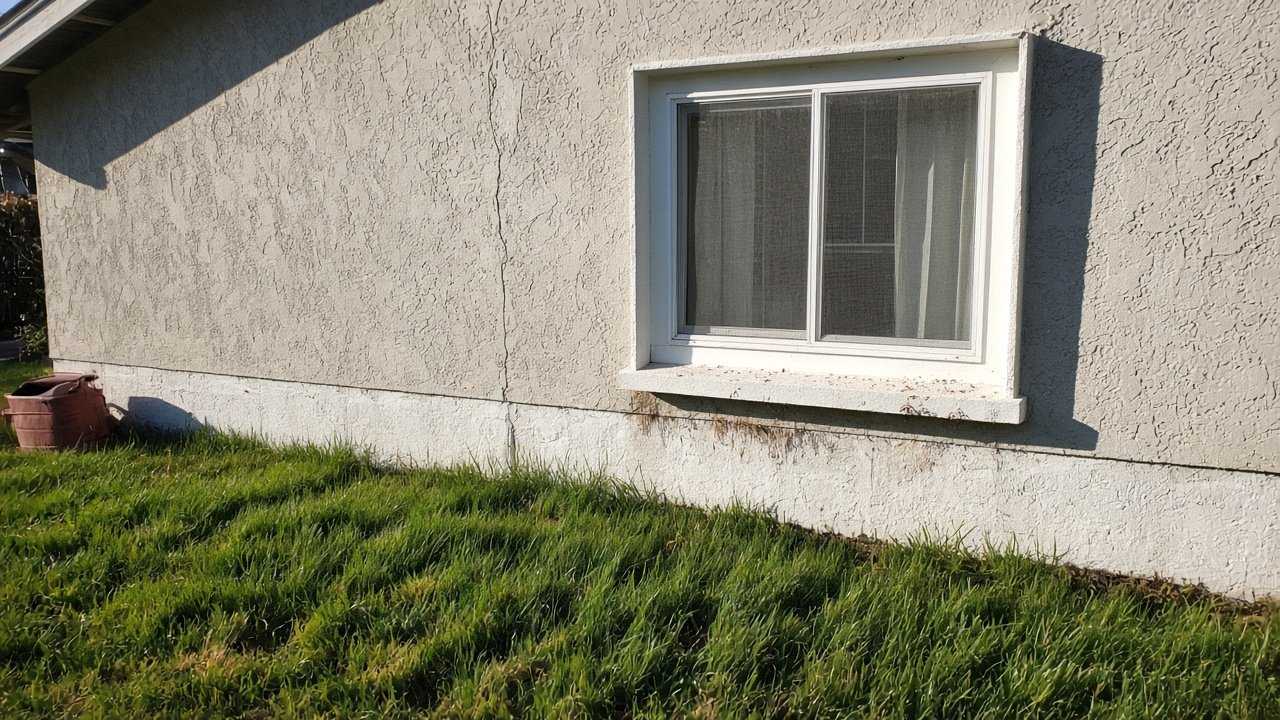
Pest ID: Clover mites (Bryobia praetiosa)
Danger level: LowHow to recognize it
- Smaller than a pinhead; often described as walking dust specks on sills and walls
- Color ranges from reddish or brown to dark green
- Unusually long front legs, nearly as long as the body, which separates them from common plant spider mites
- Move in large numbers on warm days in fall and spring, especially on south-facing walls
- Leave rusty red stains when crushed on pale paint, curtains or fabric
Where it shows up
- Sunny windowsills, window frames and south- or west-facing exterior walls
- Lawn, clover and other plants, especially turf that touches the foundation
- Cracks around windows and doors, and other tiny exterior openings
- Warm, dry turf within several feet of a foundation, tree or other upright surface
- Curtains, furniture and carpet once they have already come indoors
Common look-alikes
- Spider mites on plants
- Spider mites stipple or bronze garden leaves and may spin fine webbing on the underside during hot, dry spells. They are not a windowsill invasion from the lawn. See spider mite control if the damage is on a plant.
- Fleas
- Fleas jump, live as nest parasites on pets, and are not lawn mites staining a windowsill. See flea control if a pet or the carpet is involved.
- Boxelder bugs
- Boxelder bugs also cluster on sunny south and west walls in fall, but they are much larger true bugs, not pinhead-sized mites. See boxelder bug control for those clusters.
Why the danger rating: CSU Extension says clover mites do not bite people, transmit diseases, or feed on household furnishings. The main indoor harm is the rusty stain they leave if crushed. This page is not medical advice.
These are lawn mites, not spider mites on plants
Clover mites are a different problem from the spider mites that stipple Boise garden plants. Colorado State University Extension’s turfgrass mite fact sheet (Fact Sheet 5.505, reviewed August 2025) describes clover mites as cool-season mites that breed on turfgrass, clover and other plants from fall through early May. They often enter buildings through cracks around windows and doors on warm days in fall and spring. University of Idaho does not publish a dedicated clover mite page that we can cite, so this guide uses CSU’s Intermountain guidance and states that comparison plainly. Timing in the Treasure Valley should be checked against what you actually see on the lot.
CSU says clover mites do not bite and do not transmit disease. Vacuum those already inside; crushing them leaves a rusty stain. Outdoors, almost all turf injury is close to a building or other upright surface, and it is easy to mistake for winterkill on a dry, sunny strip of lawn.
Keep grass off the sun-exposed foundation
Migrations into the house can be reduced by keeping grass and other host plants away from the foundation. CSU says a plant-free barrier of about three feet is usually enough, especially on the south and west sides, though mites can sometimes cross it. Covering that strip with mulch or leaving it bare is the usual approach; the point is to interrupt the short walk from lawn to window crack. Carefully caulking openings, with particular attention to window frames, is the other half of prevention. CSU also notes that a fine layer of certain dusts around entry points can help block mites, and that supplemental watering of warm, dry turf at the base of sun-exposed walls can reduce populations on the lawn.
If a pesticide is used, it has to be a product labeled for the site and the pest, and CSU cautions that there are currently no highly effective chemical controls for clover mites. The barrier and the sealing still do most of the long-term work. For quote context, see pest control cost in Boise.
Why clover mites walk from a Boise lawn onto a sunny windowsill
- Sunny windowsills: walking dust specks, rusty stains if crushed
- Lawn touching the foundation is a short path indoors
- A plant-free strip of about three feet on south and west sides
- Seal cracks around windows and other tiny openings
- Vacuum indoors; do not crush mites on pale surfaces
Colorado State University Extension (Fact Sheet 5.505) is Intermountain guidance, not an Idaho-specific fact sheet. CSU says spring problems often end by late May or early June. The drawing is schematic.
Sunny walls and lawns that touch the house
Treasure Valley lots often have irrigated, well-fertilized turf run right to the stem wall, and many ranch houses have a hot south or west exposure. That layout matches the conditions CSU describes for heavy clover mite movement, even though the fact sheet is written for Colorado. Newer sod and lawn that never had a gravel or mulch break are the usual setup to inspect first.
This is not a general household insect job. If the issue is actually ants, wasps or pantry pests, start at insect control in Boise. If the “red specks” are on leaves with webbing, use the spider mite guide instead.
Clover mites come from the lawn onto sunny walls; they are not the spider mites that stipple garden plants. Larger bugs clustering on the same south wall in fall may be boxelder bugs. Household insects belong on the insect control hub. For bid questions, see pest control cost.
A clover mite sequence that matches extension advice
- 1Inspect
Check sunny windowsills, south and west walls, and the strip of lawn within several feet of the foundation. Confirm pinhead-sized, long-front-legged mites before you treat.
- 2Identify
Rule out spider mites on plants, fleas on a pet, and larger fall invaders such as boxelder bugs. Clover mites are a cool-season lawn-to-house problem.
- 3Treat
Vacuum indoors and seal the bag. Do not crush mites on pale surfaces. Outside, build or restore a plant-free foundation strip on the sun-exposed sides and seal cracks around windows. Use a labeled perimeter product only if needed, and only as the label allows.
- 4Prevent
Keep grass and host plants off the south and west foundation, maintain the caulk around windows, and watch for movement again in fall and on warm late-winter days.
Sources
Frequently asked questions
Are the tiny red specks on my Boise windowsill clover mites or spider mites?+
If they are walking on sunny windowsills, walls or south-facing siding in cool weather, they are much more likely to be clover mites coming in from the lawn. Colorado State University Extension describes clover mites as “walking dust specks,” smaller than a pinhead, often reddish or brown, with unusually long front legs. Spider mites live on plants, where they stipple or bronze leaves and may leave fine webbing. See the spider mite guide for garden plants, not for a windowsill invasion.
Do clover mites bite people or pets?+
CSU Extension says they do not bite people, transmit diseases, or feed on household furnishings. They are a nuisance, and when crushed they leave rusty red stains on light surfaces. That is why vacuuming is the usual indoor advice, not squashing them on a windowsill or curtain.
Why do they show up on the sunny side of a Treasure Valley house?+
Clover mites breed on turfgrass, clover and other plants, then climb upright surfaces to molt and lay eggs. CSU notes that south-facing walls are usually more heavily infested, and that almost all turf injury is within about 10 feet of a building, tree or other upright surface. Well-fertilized lawn that touches the foundation — common on newer lots — gives them a short path to window cracks.
Should I spray inside, or will the problem just go away?+
CSU’s Intermountain guidance is that spring clover mite problems, if left alone, end on their own by the end of May or early June, when warm weather forces the mites into summer dormancy. Indoors, vacuum and seal the bag before you throw it away; do not crush them. The lasting fix is outside: a plant-free barrier along the sun-exposed foundation and careful sealing around windows. Indoor sprays treat only the mites already inside.
When should I call a licensed applicator for clover mites in Boise?+
Many invasions can be handled with vacuuming, sealing cracks and a plant-free strip along the south and west foundation. A licensed applicator is worth considering when mites keep coming in after those steps, when you cannot safely treat the foundation and adjacent turf yourself, or when you want a perimeter application timed to a heavy spring or fall movement. Confirm the company treats mites, and ask what is in scope. CSU also notes there are currently no highly effective chemical silver bullets for clover mites, so the barrier and sealing still matter.
Licensing in Idaho: how to verify a provider
In Idaho, professional pesticide applicators are licensed by the Idaho State Department of Agriculture (ISDA). To get licensed, they pass an exam for each category of work they do and show proof of financial responsibility. Since ISDA's 2024 rule update, home and building pest work for insects, spiders and wood-destroying pests such as termites falls under the Industrial, Institutional, and Structural Pest Control – Non-Commodity (IP) category. Rodent work may also involve General Vertebrate Control (GV). (ISDA license categories)
Before you hire anyone, ask for the applicator's name and license number. Check that the license is current, and that it covers the right category, with ISDA's Certified Applicator License Search, or call ISDA pesticide licensing at (208) 332-8600. Also ask what products they plan to use, and ask for the label or safety data sheet if you have kids, pets, or a well.