Tick Control in Boise, ID: Yard Treatment and Checks
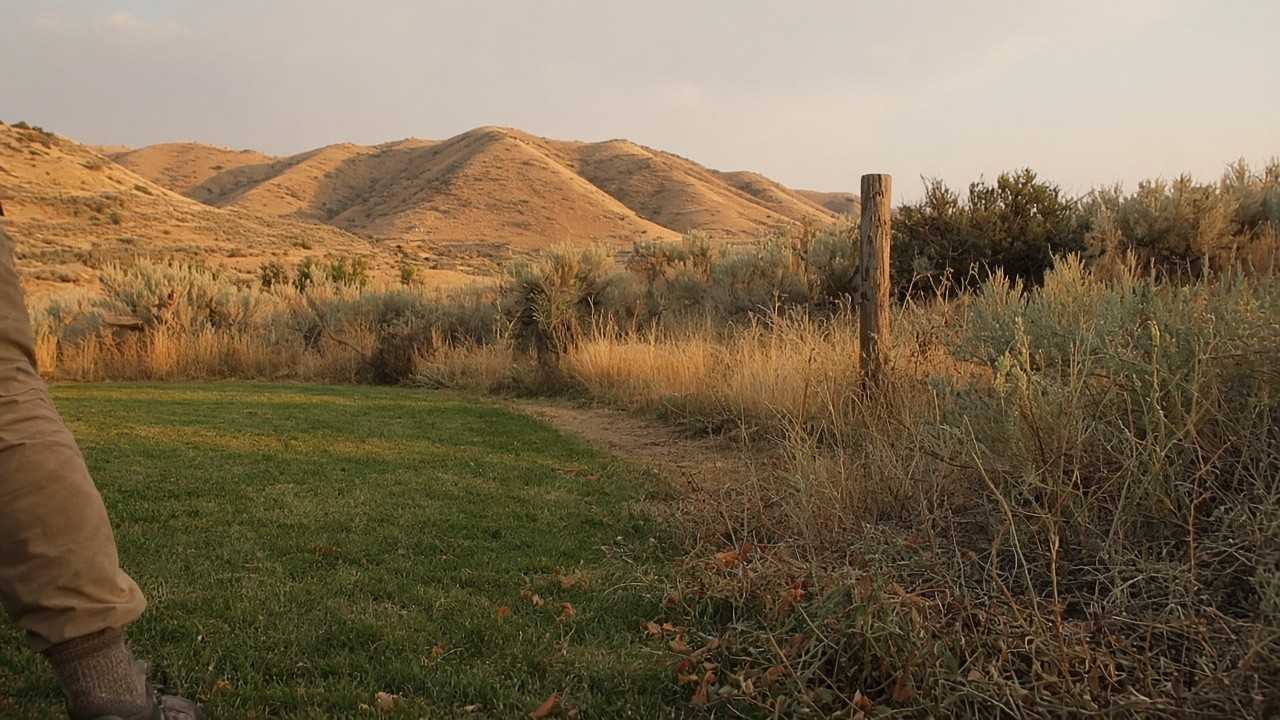
Pest ID: Ticks in Idaho outdoor settings
Danger level: ModerateHow to recognize it
- Small, flattened arachnids that cling to grass, brush and animals, then attach to skin to feed
- Often noticed on socks, pant cuffs, pets, or after time on a foothills trail or along a river
- Easier to spot on light-colored clothing, which Idaho Health and Welfare recommends
- Adults of western species such as the Rocky Mountain wood tick are associated with some of the diseases CDC lists for the Rocky Mountain states
- Not the same problem as fleas on a pet or house spiders in a garage
Where it shows up
- Tall grass, brush and leaf litter at the edge of a lawn or trail
- Foothills paths, canyon mouths and river or greenbelt corridors
- Pets that have been outside, and the gear or clothing they ride in with
- Shady, unmowed corners more than a dry, closely cut irrigated lawn
Common look-alikes
- Fleas
- Fleas are tiny jumping insects that usually start on a pet and move into carpets or shaded lawn. See flea control if the bites are around ankles indoors or you are combing a pet. Ticks attach and feed in place.
- A scab, freckle or dirt
- An attached tick is usually raised and may have legs visible at the edges. If you are not sure, do not burn or twist it. Use fine tweezers as Idaho Health and Welfare describes, or ask a clinician or veterinarian.
- Seed ticks vs. other specks
- Very small immature ticks can be easy to miss. A full-body check after outdoor time, including behind knees, along the hairline and on pets, is more reliable than looking once at a sock.
Why the danger rating: Idaho Health and Welfare lists Rocky Mountain spotted fever, tick-borne relapsing fever and tularemia as the tickborne diseases of most concern in the state. Lyme disease cases here are described as rare and generally travel-related. This is not medical advice.
What is actually true about ticks around Boise
This is not a north-Idaho-only problem, and it is not a reason to treat every Central Bench lawn as tick habitat. People in the Treasure Valley pick up ticks most often where grass and brush meet trails, foothills and river corridors, and sometimes at the unmowed edge of a lot. A May 2022 Q&A from Idaho’s state public health veterinarian is the clearest official local statement: the tickborne diseases officials are most concerned about in Idaho are Rocky Mountain spotted fever, tick-borne relapsing fever and tularemia. Lyme disease cases in Idaho are rare and generally occur in people who traveled elsewhere, and “the tick that carries Lyme disease is not known to live in Idaho.”
The same agency notes that ticks can hitch a ride on a pet and end up in the house, and that Idaho does not test ticks for disease-causing microbes. If you are ill after a bite, the question is a clinical one, not a lab test on the tick.
Yard treatment, and what it cannot replace
CDC tick-prevention guidance says outdoor pesticides can reduce the number of ticks in treated areas of a yard, but you should not rely on spraying to reduce infection risk. Follow the label, and check Idaho pesticide rules with a licensed applicator — pest control in Idaho is regulated by the Idaho State Department of Agriculture.
CDC also lists landscaping steps, drawn from Connecticut research on blacklegged ticks: remove leaf litter, clear tall grass and brush at lawn edges, consider a three-foot barrier of wood chips or gravel between lawn and wooded or brushy ground, mow regularly, stack firewood neatly and dry, and keep play equipment away from yard edges. Those are habitat ideas, not a claim that blacklegged ticks are established in Boise. In a high-desert city lot, the practical version is usually the messy edge — the strip of tall grass and sagebrush where a mowed lawn meets a foothills trail or fence line.
Searches for tick yard treatment cost in Boise are common on this site. We do not have a published local price to cite. Ask for a written scope: which edges will be treated, whether follow-up is included, and how that work fits with general pest control cost. Personal checks still come first.
Where tick work actually happens around a Boise lot
- A closely mowed lawn is usually less inviting than the messy edge
- A gravel or wood-chip strip can separate lawn from brush
- Tall grass, brush and leaf litter at the edge are the main habitat
- Foothills trails and river corridors are common pickup places
- A clothing, body and pet check is not replaced by a yard spray
CDC says outdoor pesticides can reduce ticks in treated areas, but you should not rely on spraying to reduce infection risk. Its landscaping list was written to reduce blacklegged ticks; use it as habitat advice, not a Boise species survey.
Where Treasure Valley yards and trails actually overlap
A fully irrigated, short-cut lawn in a mid-bench subdivision is a different setting from a Highlands or foothills-edge lot that backs onto sagebrush, or a greenbelt walk along the river. Ticks live in grassy, brushy or wooded cover, as CDC describes, and they use animals as transport. That is why a trail afternoon or a dog walk can matter more than the middle of a dry lawn.
If you want neighborhood context for foothills-edge housing, see the Highlands and Harris Ranch guides. Those pages are about housing and habitat, not a tick ranking by ZIP code.
Personal protection and habitat edges come first. If fleas are the issue on a pet or in the carpet, use the flea control guide instead. Foothills-edge housing context is in the Highlands and Harris Ranch guides. For bid questions that are not tick-specific, see pest control cost in Boise.
A practical tick routine for a Boise household
- 1Inspect
After foothills, river or brushy-yard time, check clothing, gear, a full body scan and pets. CDC recommends showering within two hours of coming indoors and tumbling dry clothes on high heat when the fabric allows.
- 2Identify
If a tick is attached, do not guess about disease from its looks alone. Idaho does not test ticks. Note where you were and when, and keep the specimen if a clinician wants to see it.
- 3Treat
Remove an attached tick with fine tweezers or a notched extractor, close to the skin, without squeezing. Disinfect the bite and wash your hands. Yard pesticides, if used, belong on labeled habitat edges and do not replace these steps.
- 4Prevent
Use an EPA-registered repellent as labeled, wear light-colored clothing, walk the center of trails, mow and clear brush at lawn edges, and ask a veterinarian about pet prevention.
Sources
- Idaho Department of Health and Welfare, “Avoid getting bitten: Mosquitoes and ticks can cause serious illness” (Leslie Tengelsen, DVM, May 31, 2022)
- Centers for Disease Control and Prevention, Preventing Tick Bites (updated August 28, 2024)
- CDC, Rocky Mountain spotted fever — also see CDC pages on tularemia and tick-borne relapsing fever, which Idaho Health and Welfare links for clinicians and the public
Frequently asked questions
Are ticks a real issue in the Treasure Valley, or only in north Idaho?+
Ticks occur in Idaho, including places people from Boise actually spend time — foothills trails, river corridors, brushy yard edges and, as Idaho’s public health veterinarian notes, on pets that then ride indoors. University of Idaho Extension materials on identification are often written with north Idaho in mind, but the Idaho Department of Health and Welfare discusses tickborne disease risk for the state as a whole. Irrigated, closely mowed city lawns are usually less inviting than tall grass, brush and leaf litter at the edge of a lot or trail.
Is Lyme disease a common risk from ticks in Boise?+
Idaho’s state public health veterinarian has written that Lyme disease cases in Idaho are rare and generally occur in people who traveled to other parts of the country where infected ticks are found, and that the tick that carries Lyme disease is not known to live in Idaho. The diseases Idaho officials say they are most concerned about from ticks are Rocky Mountain spotted fever, tick-borne relapsing fever and tularemia. This page is not medical advice; a clinician should evaluate symptoms after a bite.
Does a yard treatment get rid of the tick problem?+
The Centers for Disease Control and Prevention says outdoor pesticides can reduce ticks in the treated parts of a yard, but you should not rely on spraying to reduce your risk of infection. Personal protection still matters: EPA-registered repellent, clothing checks, a shower after being outside, and a full-body tick check, plus checking pets. Landscaping that reduces leaf litter, tall grass and brush at lawn edges can also help. CDC’s “tick-safe zone” landscaping was written to reduce blacklegged ticks; treat it as habitat guidance, not a Treasure Valley species survey.
How much does tick yard treatment cost in Boise?+
We do not have a published Treasure Valley price for tick yard treatment to cite. The search is common, but cost depends on the size of the lot, whether the work is a narrow habitat edge or a broad spray, access, and whether follow-up visits are included. Ask a licensed applicator for a written scope rather than a generic “yard spray” quote. Our pest control cost guide explains what usually drives a bid; it is not a tick-specific price list.
What should I do if I find a tick on me or a pet?+
Idaho Health and Welfare says to remove a biting tick with fine tweezers or a notched tick extractor, as close to the skin as possible, without squeezing or crushing it, then disinfect the bite and wash your hands. See a medical provider promptly if fever, rash or other illness develops in the hours or days after a bite; early treatment reduces the risk of complications. Idaho does not test ticks for disease-causing microbes. Talk with a veterinarian about prevention and removal on pets.
Licensing in Idaho: how to verify a provider
In Idaho, professional pesticide applicators are licensed by the Idaho State Department of Agriculture (ISDA). To get licensed, they pass an exam for each category of work they do and show proof of financial responsibility. Since ISDA's 2024 rule update, home and building pest work for insects, spiders and wood-destroying pests such as termites falls under the Industrial, Institutional, and Structural Pest Control – Non-Commodity (IP) category. Rodent work may also involve General Vertebrate Control (GV). (ISDA license categories)
Before you hire anyone, ask for the applicator's name and license number. Check that the license is current, and that it covers the right category, with ISDA's Certified Applicator License Search, or call ISDA pesticide licensing at (208) 332-8600. Also ask what products they plan to use, and ask for the label or safety data sheet if you have kids, pets, or a well.