Insect Control in Boise, ID: Home and Yard Insects
Pest ID: Common home and yard insects in the Treasure Valley
Danger level: LowHow to recognize it
- Six legs and, in adults of many species, wings — unlike spiders and mites, which are arachnids
- Trailing ants along sidewalk cracks, foundations, sinks and pantries
- Wasps or yellowjackets at eaves, wall voids, patios or in the ground
- Pantry beetles or moths in dry goods, or cockroaches in warm, moist kitchens
- Seasonal clusters of boxelder bugs on sunny south or west walls in fall
Where it shows up
- Kitchens, pantries and under-sink plumbing
- Eaves, soffits, porch lights and patio tables
- Sidewalk seams, irrigation lines and foundation gaps
- Sunny exterior walls, window frames and door thresholds
- Garden plants, which may have mites rather than insects — see the spider mite guide
Common look-alikes
- Insects vs. rodents
- Insect signs are trails, nests, shed skins, webbing on food, or live insects. Droppings, gnaw marks, grease rubs and nighttime scratching point to mice or rats, not an insect spray.
- Insects vs. house spiders
- Spiders are arachnids with eight legs. They follow insect prey into garages, window wells and crawlspaces. Start with the spider guide if the issue is webs and wandering hunters, not six-legged insects.
- Insects vs. spider mites on plants
- Stippled, bronzed leaves and fine silk on the undersides of garden plants are plant-feeding mites, not house insects. See the spider mite guide rather than a household insect spray.
Why the danger rating: Most household insects here are nuisances. The exceptions that need more caution include stinging wasps and hornets, bed bugs, and wood-damaging termites or carpenter ants.
What “insect control” and “bug control” usually mean here
People searching for insect control or bug control in Boise are usually trying to stop ants, wasps, cockroaches, pantry pests or a seasonal invader — not write a biology paper. This guide is the hub for those six-legged problems. It is not a substitute for rodent control, and it is not a single spray that works on every species.
If you already know the insect, skip ahead to the matching guide: ants, wasps and yellowjackets, cockroaches, bed bugs, boxelder bugs, or termites. If the problem is webs in a garage or window well, use spider control. If the damage is on a plant, see spider mite control.
Some searches that sound like insect control are really about other arthropods. Evening yard bites and standing water belong on mosquito control. After foothills or river time, start with tick control. Bites that start on a pet belong on flea control. Tiny red specks on a sunny windowsill are usually clover mites from the lawn, not a household insect spray. A scorpion on dry, rocky ground is uncommon as a house pest; see scorpions in Boise before you request an exterminator.
Identify the insect before you treat
University of Idaho’s free Insect Identification service exists specifically so Idaho residents can get a confident name before they choose a treatment. The service covers insects, arachnids and other arthropods found in the state. Extension’s advice matches a broader principle from the National Pesticide Information Center: your efforts will not work if they are not tailored to the pest.
The Pacific Northwest Pest Management Handbook’s nuisance and household pest chapter is a practical list of the insects that show up in regional homes, from ants and cockroaches to pantry beetles, boxelder bugs and fabric pests. For kitchen dry goods, Pacific Northwest Extension’s Pantry Pest Guide (PNW 729) walks through the common moths, beetles and weevils in Pacific Northwest pantries and what each one eats.
Match the insect to the part of a Treasure Valley home
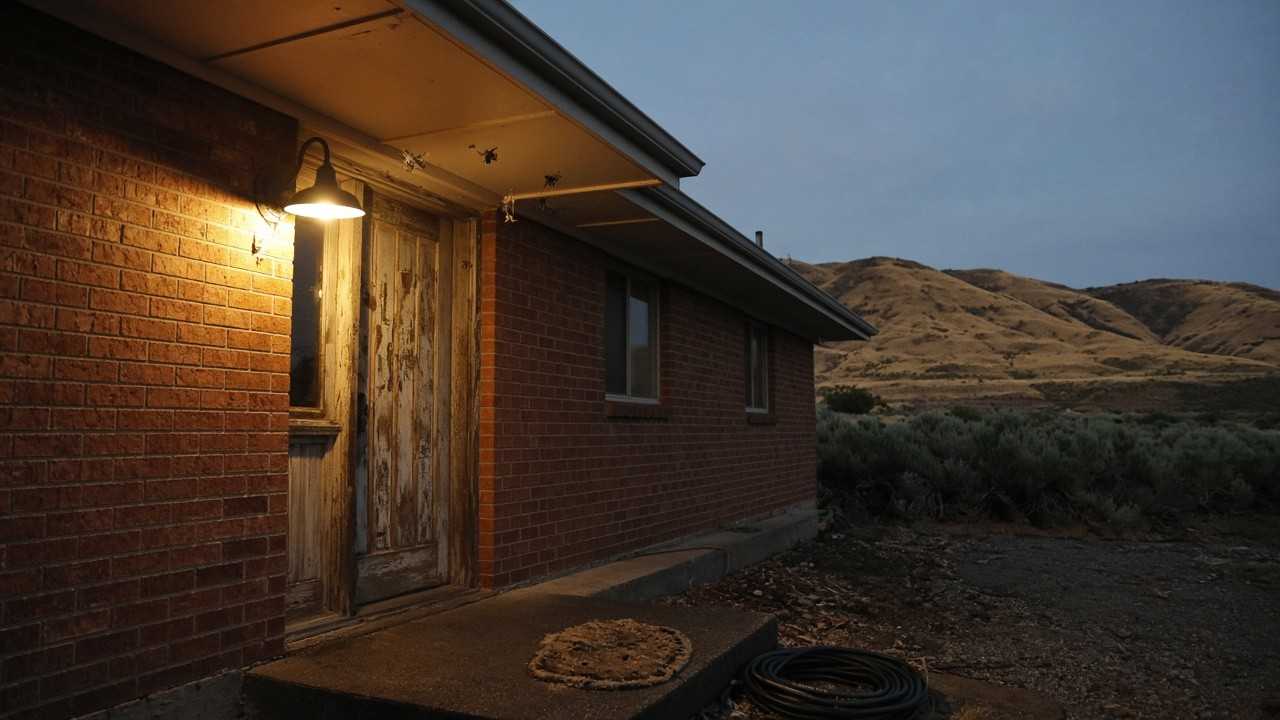
- Porch lights and eaves: flying insects and wasp or yellowjacket nests
- Kitchen and pantry: ant trails, cockroaches and pantry beetles or moths
- Sidewalk seams and the foundation: common ant nests and entry points
- Garages and window wells: often house spiders, which are not insects
- Garden plants with stippled leaves and fine webbing: spider mites, not house insects
Identify the insect, or confirm that the problem is not an insect, before choosing a treatment. The drawing is schematic.
How Treasure Valley yards shape insect pressure
Boise sits in high desert that has been turned into irrigated neighborhoods and farmland. That mix creates moist, food-rich strips along foundations, sidewalks and landscape beds, which supports ant colonies and the insects that wasps and spiders hunt. Porch and garage lights pull flying insects in after dark. Hot, dry spells drive some insects indoors looking for water. Fall sun on a south or west wall is where boxelder bugs cluster.
None of that is a neighborhood infestation score. It is a set of places to inspect: irrigation that soaks a foundation, a porch light left on all night, a gap at a door sweep, or a sunny stucco wall in October. The insect you actually have still decides the method.
If you already know the insect, go straight to ant control, wasp and yellowjacket control, or cockroach extermination. Evening yard bites and standing water belong on mosquito control in Boise. Plant damage with fine webbing is covered in spider mite control in Boise; tiny red specks on a sunny windowsill are usually clover mites from the lawn. Pet and carpet biting insects belong on flea control; foothills trail time belongs on tick control. Scorpions are arachnids of dry, rocky ground — see scorpions in Boise. For droppings or gnaw marks, switch to rodent control rather than an insect spray.
A practical insect-control sequence for a Boise home
- 1Inspect
Look where the activity is: kitchen and pantry, eaves and porch lights, sidewalk cracks and the foundation, sunny walls, or garden plants. Note whether you are seeing insects, webs, droppings or plant damage.
- 2Identify
Get a name before you buy a product. A clear photo, a specimen, University of Idaho’s identification service, or a licensed inspection all beat guessing. Rule out rodents and plant-feeding mites if the signs do not match an insect.
- 3Treat
Match the method to the species: baits for many trailing ants, nest treatment for some wasps, sanitation and exclusion for pantry pests, and a licensed applicator when the insect is hard to reach or do-it-yourself methods have failed.
- 4Prevent
Seal gaps, fix leaks and irrigation that soaks the slab, store dry goods in tight containers, and cut back plants that touch the house. Ask a provider what is in scope if you want a recurring plan.
When a licensed treatment is the better next step
The National Pesticide Information Center lists good reasons to call a certified applicator: the pest is difficult to identify, locate or reach; the application needs skill or equipment you do not have; your own efforts have not worked; or a restricted-use pesticide would be required. In Idaho, pest control is regulated by the Idaho State Department of Agriculture, and a licensed applicator can use placements and products that are not available at retail.
If you are comparing quotes, see what shapes pest control cost in Boise and the comparison of local providers. Keep the scope specific — the insect, the areas to be treated, and any follow-up — rather than asking for a generic “bug spray.”
Sources
- University of Idaho Extension, Idaho Insect Identification (free service for insects, arachnids and other arthropods)
- Pacific Northwest Pest Management Handbooks, Nuisance and Household Pests
- Pacific Northwest Extension, PNW 729, Pantry Pest Guide: Common Insect Culprits in Homes and Kitchens of the Pacific Northwest (published February 2020)
- National Pesticide Information Center, Do It Yourself Pest Control (Oregon State University)
Frequently asked questions
What is the difference between insect control and pest control in Boise?+
In everyday search language the two overlap, but they are not identical. Insect control is about six-legged arthropods — ants, wasps, cockroaches, pantry beetles, boxelder bugs, termites and similar household or yard insects. Pest control on this site also covers rodents and other non-insect problems. If you have droppings, gnaw marks or nighttime scratching, start with the rodent guide rather than an insect spray.
Which insects are common in Treasure Valley homes and yards?+
Pacific Northwest household-pest guides list ants, cockroaches, pantry beetles and moths, boxelder bugs, fleas, fabric pests and many others as typical nuisance or structural insects in the region. In irrigated Boise and Meridian neighborhoods, trailing ants, wasps around eaves or patios, and occasional pantry insects come up often. The exact species matters for treatment, so identify what you have before you pick a product.
Should I spray first or identify the insect?+
Identify first. University of Idaho Extension’s insect identification service and the National Pesticide Information Center both start with identification, because a bait, a nest treatment or a simple cleanup only works when it matches the insect. Broad indoor sprays can scatter some ant colonies, kill beneficial predators, or miss the source entirely. A clear photo or a specimen in a jar is often enough to get started.
When should I call a licensed applicator for insect problems in Boise?+
The National Pesticide Information Center suggests calling a professional when the pest is hard to identify or reach, when a treatment needs skill or equipment you do not have, when do-it-yourself efforts have failed, or when a restricted-use pesticide would be required. Stinging-insect nests in a wall void, German cockroaches, bed bugs and termites usually belong on that list. Pest control in Idaho is regulated by the Idaho State Department of Agriculture.
Can University of Idaho help me identify an insect?+
Yes. University of Idaho Extension and the Department of Entomology, Plant Pathology and Nematology offer a free Idaho Insect Identification service for insects, arachnids and other arthropods found in the state. They may ask follow-up questions. A confident identification is what lets you choose sanitation, exclusion, baits or a licensed treatment instead of guessing.
Licensing in Idaho: how to verify a provider
In Idaho, professional pesticide applicators are licensed by the Idaho State Department of Agriculture (ISDA). To get licensed, they pass an exam for each category of work they do and show proof of financial responsibility. Since ISDA's 2024 rule update, home and building pest work for insects, spiders and wood-destroying pests such as termites falls under the Industrial, Institutional, and Structural Pest Control – Non-Commodity (IP) category. Rodent work may also involve General Vertebrate Control (GV). (ISDA license categories)
Before you hire anyone, ask for the applicator's name and license number. Check that the license is current, and that it covers the right category, with ISDA's Certified Applicator License Search, or call ISDA pesticide licensing at (208) 332-8600. Also ask what products they plan to use, and ask for the label or safety data sheet if you have kids, pets, or a well.