Flea Control in Boise, ID: Pets, Home and Yard
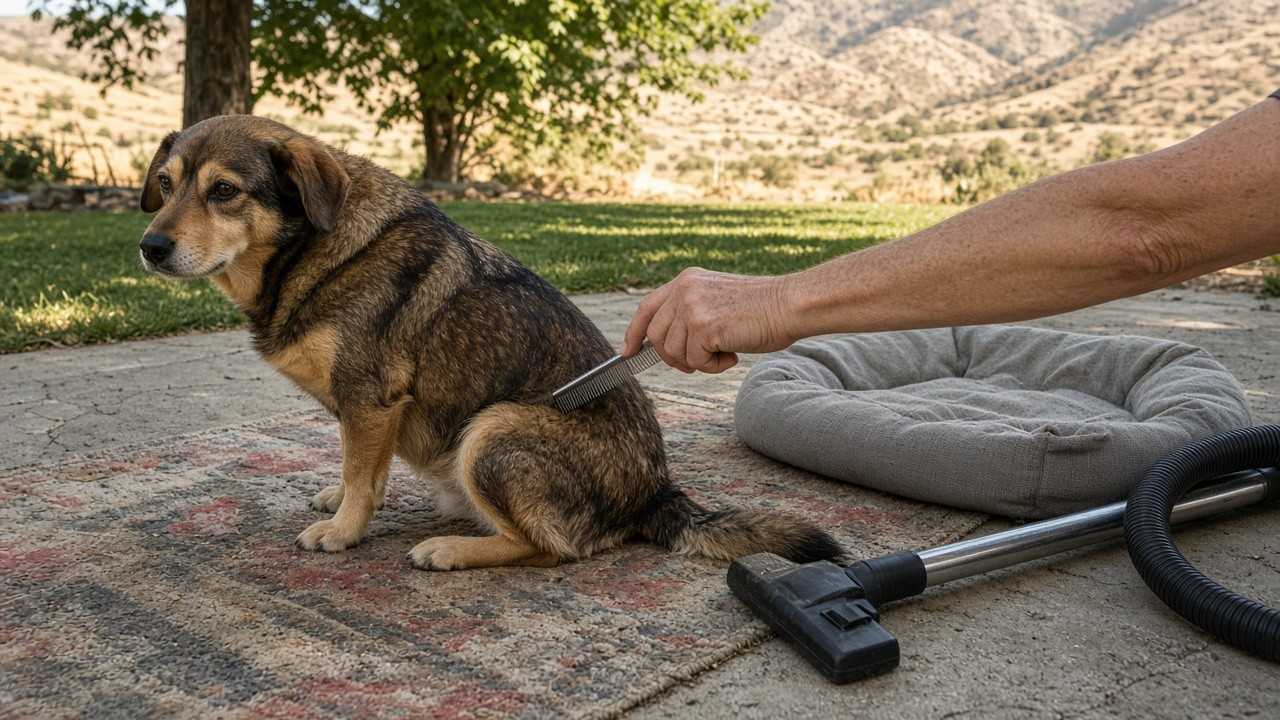
Pest ID: Cat fleas and related nest fleas (Ctenocephalides felis)
Danger level: LowHow to recognize it
- Tiny, dark, sideways-flattened insects that jump, usually noticed on a dog or cat first
- Pacific Northwest guides list the cat flea as the main household species, with dog fleas and human fleas also in the group
- Eggs and larvae develop in the “nest”: pet beds, rugs, carpet edges and shaded outdoor resting spots, not on the pet alone
- Adults can live a long time without a blood meal, which is why an empty house or a car can still surprise you later
- Bites on people often show up around the ankles or where socks meet skin
Where it shows up
- Pets, and the furniture or bedding they use
- Carpets, rugs, baseboards and upholstered furniture
- Shaded, irrigated lawn, dog runs and leaf litter — not hot, bare, dry soil
- Occasionally from wildlife or rodents around a foundation, which is a reason to keep trash and pet food secured
Common look-alikes
- Ticks
- Ticks attach and feed in place after time in brush or tall grass. They do not jump through a carpet the way fleas do. See tick control if the animal was on a foothills trail and you found an attached tick.
- Clover mites or other tiny red movers
- Clover mites wander from lawns onto sunny walls and windowsills in large numbers but do not jump or live as nest parasites on pets.
- Mosquito bites
- Mosquito bites are usually from evening outdoor time and are not accompanied by fleas in a pet’s bedding. A flea comb and a close look at the pet are the better first check.
Why the danger rating: Fleas bite people, but CDC notes that most fleas in the United States prefer animal hosts. They can also transmit tapeworms to pets. This page is not medical or veterinary advice.
Start with the pet, then the nest
CDC flea-prevention guidance is direct: the best way to prevent fleas on people is to keep pets free of fleas. Talk with a veterinarian about a product that fits the animal, and follow that label. The Pacific Northwest Pest Management Handbook’s household flea chapter describes fleas as nest parasites and, for a house infestation, calls for thorough vacuuming of pet beds, rugs and furniture, laundry of washable items, and — if a pesticide is used indoors — a product labeled for fleas on carpets and baseboards. Total-release “bombs” are not recommended, because the spray does not reach the places fleas live.
Read indoor flea labels carefully. The same handbook notes that these applications happen inside the home, so cautions on the label matter.
Why a dry Boise yard can still harbor fleas
High desert air is tough on flea larvae. CDC says fleas in the yard prefer shade, do not tolerate sun for long, and are favored by over-watering and debris. Mowing, which exposes soil to sun, and raking leaf litter make a yard less inviting. In the Treasure Valley, the vulnerable spots are usually obvious once you look for them: the shaded strip under a tree, a frequently watered dog run, or a damp, cluttered side yard — not the sun-baked parking strip.
CDC also ties outdoor fleas to rodents and stray animals. Sealing gaps, storing pet food, and keeping trash closed helps more than a random lawn spray. If rodents are part of the picture, use the rodent control guide rather than treating only the fleas you can see.
Why flea bombs miss the problem in a Boise home
- Start with the pet, as CDC and Pacific Northwest guides both emphasize
- Eggs and larvae develop in pet beds, rugs and carpet edges
- Vacuum and laundry reach nest areas; flea bombs do not
- Shaded, irrigated lawn or a dog run can hold fleas outdoors
- Hot, bare, sun-baked ground is a poor flea habitat
Pacific Northwest Extension says total-release aerosols are not recommended for fleas. Treat the pet, the indoor nest areas and any shaded yard pockets together. The drawing is schematic.
Irrigation and shade, not the desert average
Boise’s official climate is dry, but many lots are not. Sprinklers, shade trees and pet water bowls create small, humid pockets. Those pockets are where a flea problem outdoors is most plausible. A licensed applicator who only offers a whole-lawn spray, without asking about the pet, the carpet and the shade, is not following the extension sequence.
There is no University of Idaho price list for flea work to cite. If you request professional help, ask what will be treated — the pet is usually a veterinarian’s job — and whether a follow-up visit is included. Pest control cost in Boise explains the usual bid questions.
Treat the pet first, then carpets and shaded lawn. Attached ticks after trail time are a different problem — see tick control in Boise. If rodents are feeding a yard flea problem, use rodent control. For bid questions, see pest control cost.
A flea sequence that actually matches the biology
- 1Inspect
Comb the pet, check pet beds, and look at carpet edges and shaded outdoor resting spots. Confirm fleas or flea dirt before you treat a whole house.
- 2Identify
Rule out ticks after trail time, and other tiny lawn mites on windowsills. If a pet is involved, a veterinarian should help choose the animal product.
- 3Treat
Treat the pet as directed, vacuum nest areas thoroughly, launder bedding, and use a labeled indoor flea product on carpets or baseboards only if needed. Skip flea bombs. Address shaded yard pockets last, not first.
- 4Prevent
Keep pets on a veterinarian-recommended prevention plan, vacuum often, mow and rake, avoid over-watering, and discourage rodents and stray animals around the foundation.
Sources
Frequently asked questions
Where do flea problems in Boise homes usually start?+
Usually on a pet. The Centers for Disease Control and Prevention says the best way to prevent fleas on people is to keep pets free of fleas, and that most fleas in the United States prefer to feed on animals. The Pacific Northwest household flea guide treats the cat flea as the main species and describes fleas as nest parasites that move between the animal and its resting place. Carpets, pet beds and shaded, irrigated lawn can then hold the immature stages.
Can fleas live in a dry Treasure Valley yard?+
Open, sun-baked high-desert soil is a poor flea habitat. CDC says fleas in the yard prefer shade, cannot tolerate the sun for long, and do better when a yard is over-watered and full of debris. In Boise that usually means a shaded strip of irrigated lawn, a dog run, or leaf litter under a tree — not the hot, bare edge of the lot. Humidity from irrigation, not the official desert climate, is what keeps a yard pocket livable for larvae.
Do flea bombs work?+
Pacific Northwest Extension’s household flea guidance says total-release aerosols, or “bombs,” and aerosol space sprays are not recommended, because the pesticide does not reach the places fleas actually live. The better indoor sequence is to treat the pet as a veterinarian directs, thoroughly vacuum pet beds, rugs and furniture, launder washable bedding, and use a product labeled for indoor fleas on carpets and baseboards if one is needed, following the label.
Should I treat the pet, the house and the yard at the same time?+
Yes, that is the usual advice. If you only treat the carpet, fleas can come back from the pet or from a shaded yard. If you only treat the pet, eggs and larvae already in the nest areas can refill the house. CDC also recommends regular vacuuming, washing pet bedding, mowing to let sun hit the soil, avoiding over-watering, and keeping rodents and stray animals from hanging around the house.
When should I call a licensed applicator for fleas in Boise?+
Start with a veterinarian if a pet is involved; pet products are the foundation of prevention. A licensed applicator is worth considering when fleas continue after correct pet treatment, vacuuming and laundry, when you cannot treat carpets or a yard safely yourself, or when several rooms or a rental turnover are involved. Pest control in Idaho is regulated by the Idaho State Department of Agriculture. Ask what areas are in scope and whether a follow-up visit is included.
Licensing in Idaho: how to verify a provider
In Idaho, professional pesticide applicators are licensed by the Idaho State Department of Agriculture (ISDA). To get licensed, they pass an exam for each category of work they do and show proof of financial responsibility. Since ISDA's 2024 rule update, home and building pest work for insects, spiders and wood-destroying pests such as termites falls under the Industrial, Institutional, and Structural Pest Control – Non-Commodity (IP) category. Rodent work may also involve General Vertebrate Control (GV). (ISDA license categories)
Before you hire anyone, ask for the applicator's name and license number. Check that the license is current, and that it covers the right category, with ISDA's Certified Applicator License Search, or call ISDA pesticide licensing at (208) 332-8600. Also ask what products they plan to use, and ask for the label or safety data sheet if you have kids, pets, or a well.