Mosquito Control in Boise, ID: Yard Treatment and Cost
Pest ID: Mosquitoes in the Treasure Valley
Danger level: ModerateHow to recognize it
- Small flying insects that bite, most often noticed at dusk and dawn in a yard or near water
- Eggs and larvae develop in standing water, including tiny amounts in saucers, gutters, tires and unused pools
- Ada County identifies Culex pipiens and Culex tarsalis as the primary West Nile virus vector species it tests
- Adults can travel from a neighbor’s water or a larger wet corridor, so a single dry patio does not always end biting
- Bites are not the same as fleas in a pet’s bedding or ticks attached after trail time
Where it shows up
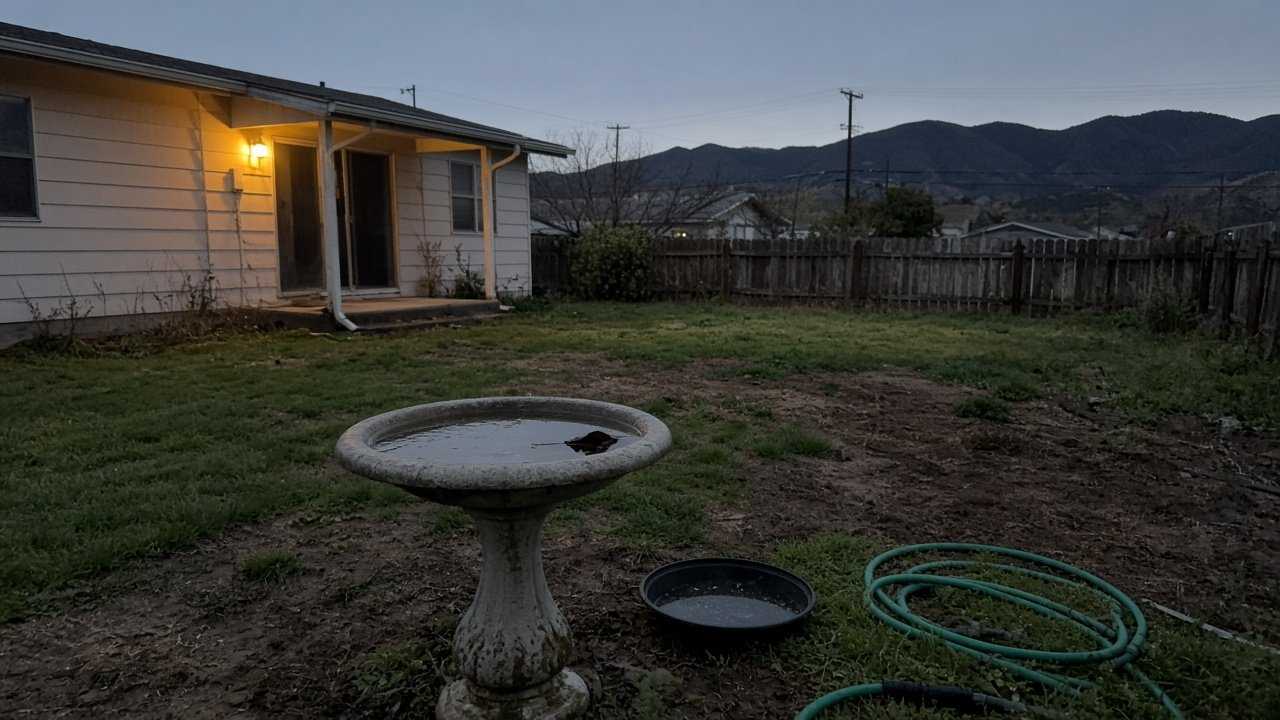
- Birdbaths, plant saucers, clogged gutters, unused pools and other containers that hold water
- Livestock tanks, ornamental ponds and overwatered lawn or landscape
- Low, wet spots along irrigation and river corridors
- Shaded outdoor sitting areas at dusk and dawn
- Rooms where window or door screens are torn or do not fit
Common look-alikes
- Fleas
- Fleas jump in carpets and on pets and are a nest-parasite problem, not an evening yard-biting problem. See flea control if the animal or the carpet is involved.
- Ticks
- Ticks attach after time in brush, tall grass or foothills trails. They do not swarm a patio at dusk. See tick control after trail or river-edge time.
- Other night-flying insects
- Moths and other insects gather at porch lights. Those insects do not bite the way mosquitoes do, and they are a different issue than standing-water breeding.
Why the danger rating: Most bites are a nuisance, but Idaho Department of Health and Welfare notes that West Nile virus is transmitted by infected mosquitoes and can cause serious illness, especially in people over 50 or with other health conditions. This page is not medical advice.
Start with standing water, then personal protection
Ada County’s mosquito-abatement-at-home guidance is built around three steps — drain, dress and defend — and it cites CDC advice. Drain standing water on the property, including potted-plant saucers, pool or spa covers, birdbaths and similar containers. Wear light-colored, loose, long sleeves and pants. Use DEET or another EPA-approved repellent on uncovered skin, following the label. The Idaho Department of Health and Welfare’s West Nile virus page gives the same core advice: repellent, remove standing water, and cover up between dusk and dawn.
Ada County also notes practical lot-level steps: avoid overwatering lawns and landscapes; clean or drain livestock tanks weekly or use a mosquito dunk, which the county describes as non-toxic to animals; report abandoned swimming pools; stock ornamental ponds with mosquito fish, koi or goldfish and thin pond vegetation; and replace broken screens. A couple of teaspoons of water is enough for mosquitoes to lay eggs.
What a private yard treatment can and cannot do
County abatement is a tax-funded public program. It is not the same service as a licensed company treating one backyard. A private visit may reduce biting adults on a specific lot, but it does not replace source reduction, and it does not replace the district’s work on larger habitat. If you request a quote, ask whether the company is licensed by the Idaho State Department of Agriculture, whether mosquitoes are actually in scope, whether the visit is one-time or seasonal, and what you still need to drain or change on the property.
There is no published local mosquito-treatment price on this site to cite. Searches for spraying or treatment cost are common, but any number we invented would be misleading. Pest control cost in Boise explains the usual bid questions. This page is also not a substitute for the broader insect control hub, which covers ants, wasps and other six-legged household pests.
Where mosquitoes breed on a Boise lot — and what a spray cannot replace
- Birdbaths and basins: empty or refresh standing water
- Plant saucers, toys and other small containers
- Clogged gutters and downspout puddles
- Ponds and large or abandoned water: maintain, or report to the county district
- Screens and dusk-to-dawn protection still matter after a private spray
Ada County and Idaho Department of Health and Welfare both start with standing-water removal and personal protection. County abatement is a public program; a private yard treatment does not replace either. The drawing is schematic.
Public abatement and a Treasure Valley yard
Boise sits in Ada County, which operates a mosquito abatement district and tests mosquito pools for West Nile virus. Other Treasure Valley counties may run their own programs; Canyon County, for example, has a district of its own. Use the agency that serves your address for large or inaccessible water you cannot drain. A private applicator does not replace that report.
Irrigation, ornamental ponds and container water on a lot matter more than the official dry climate. If rodents along a ditch are the separate problem, use the rats along canals guide rather than a mosquito spray.
Drain standing water first, and treat a private yard spray as an extra step. Evening bites are not fleas in a carpet or ticks after a hike — see flea control and tick control if those fit better. Broader six-legged questions belong on the insect control hub. For bid questions, see pest control cost in Boise.
A mosquito sequence that matches local guidance
- 1Inspect
Walk the lot for anything that holds water for several days: saucers, gutters, toys, tarps, unused pools, tanks and low, wet turf. Check screens at the same time.
- 2Identify
Evening yard bites are usually mosquitoes. Rule out fleas on a pet or ticks after trail time before you treat the wrong problem.
- 3Treat
Drain or refresh standing water first. Use labeled personal protection at dusk and dawn. Report large or abandoned water to the county district. Consider a licensed yard treatment only as an extra step, and only if the company offers that work.
- 4Prevent
Avoid overwatering, keep gutters and containers empty, maintain screens, and, for ornamental ponds, follow county advice on fish and vegetation. Repeat the water check through the warm season.
Sources
Frequently asked questions
Does Ada County already treat mosquitoes in Boise?+
Yes, for public abatement. Ada County Weed, Pest & Mosquito runs a mosquito abatement program that inspects and treats breeding habitat and monitors for West Nile virus. That work is a public-health service, not a private patio-fogging appointment. Homeowners still need to drain standing water on their own lots. Neighboring Treasure Valley counties, including Canyon County, may have their own districts.
Does a private yard spray replace draining standing water?+
No. Ada County, repeating CDC guidance, says it takes only a couple of teaspoons of water for a mosquito to lay eggs, and the first of its “3 D’s” is to drain standing water. A licensed yard treatment can reduce biting adults on a property, but it does not replace emptying birdbaths, plant saucers, gutters, unused pools and other containers, or reporting abandoned pools. Overwatering a lawn also creates habitat.
How much does mosquito treatment cost in Boise?+
This site does not have a published local price list for private mosquito yard work, and we will not invent one. Quotes usually depend on lot size, how much standing water or dense vegetation is on the property, whether you want a one-time visit or a seasonal plan, and whether the company treats for mosquitoes at all. Ask what is included, how long relief is expected to last, and whether source reduction is part of the visit. The pest control cost guide lists general bid questions.
When are mosquitoes most active around Boise homes?+
Ada County and the Idaho Department of Health and Welfare both advise extra caution from dusk to dawn, when many mosquitoes are most active. Idaho DHW also recommends EPA-approved repellents such as DEET, picaridin or oil of lemon eucalyptus, used as the label directs, and clothing that covers skin during those hours. County surveillance for West Nile virus typically ramps up in the warm months; activity varies by year.
When should I call a licensed applicator for mosquitoes?+
Start with source reduction and personal protection, and use the county abatement district for large or inaccessible water that you cannot drain. A licensed applicator is worth considering when biting pressure on a specific yard stays high after those steps, or when you want a property-level treatment you cannot legally or safely apply yourself. Pest control in Idaho is regulated by the Idaho State Department of Agriculture. Confirm the company is licensed and actually offers mosquito work before you book.
Licensing in Idaho: how to verify a provider
In Idaho, professional pesticide applicators are licensed by the Idaho State Department of Agriculture (ISDA). To get licensed, they pass an exam for each category of work they do and show proof of financial responsibility. Since ISDA's 2024 rule update, home and building pest work for insects, spiders and wood-destroying pests such as termites falls under the Industrial, Institutional, and Structural Pest Control – Non-Commodity (IP) category. Rodent work may also involve General Vertebrate Control (GV). (ISDA license categories)
Before you hire anyone, ask for the applicator's name and license number. Check that the license is current, and that it covers the right category, with ISDA's Certified Applicator License Search, or call ISDA pesticide licensing at (208) 332-8600. Also ask what products they plan to use, and ask for the label or safety data sheet if you have kids, pets, or a well.